Bread Soup Parings

A friend of ours and I are planning a Soup & Bread dinner with a variety of each. I always experiment with new bread recipes before allowing them to leave my kitchen. (Of course, that means QC and I have lots of bread on hand.)

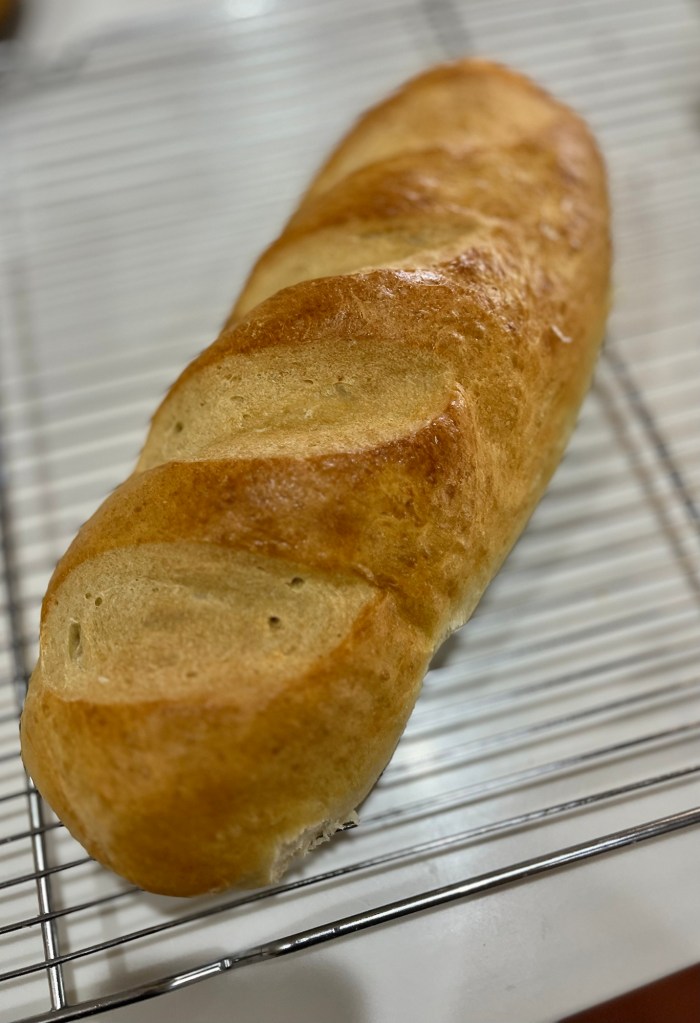
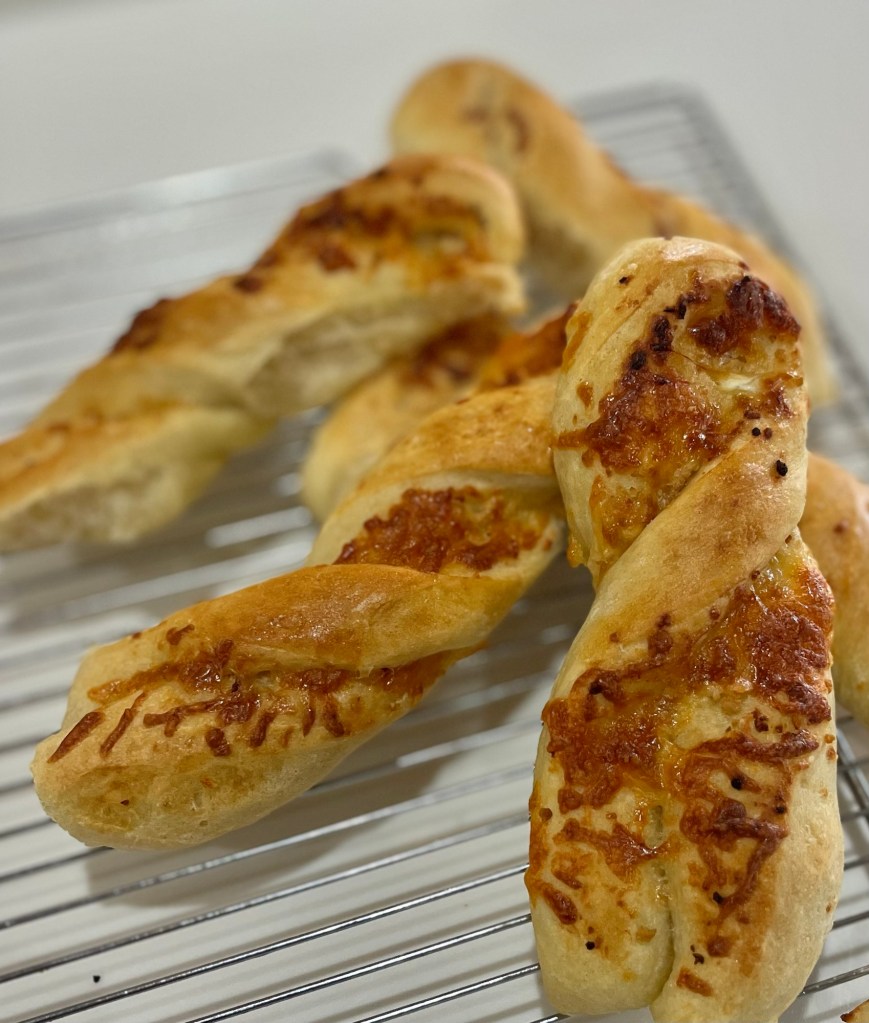
Today I used the versatile bread bowl recipe to make garlic knots and garlic cheese breadsticks. While at it I made a batard of sandwich bread, AND while all that was rising I completed my bread tour of Europe with a loaf of Irish Soda Bread. (Blushing, all were amazing!)

To make the batard I used half the recipe and formed it into a loaf. I used one fourth of the recipe to make the knots and the rest to make the breadsticks.
Roasted Garlic Breadsticks

INGREDIENTS
DOUGH
• 2 cups (250g) all-purpose flour
• 1 teaspoon Platinum Yeast
• 1 teaspoon granulated sugar
• 1 teaspoon table salt
• 2/3 cup (155ml) lukewarm water (90-100°F)
• 1 tablespoon olive oil
• 1 egg and 1 Tbl milk, mixed for egg wash
FOR THE FILLING:
• 1 head of garlic
• 3 tablespoons olive oil (divided)
• 1 cup (100g) shredded mozzarella cheese
• 1/4 cup (15g) grated Parmesan cheese

METHOD

  1. In a large mixing bowl with dough hook attachment, combine flour, sugar, salt and yeast. Add water and mix on low speed until the dough comes together. (Alternatively, you can make this dough by hand.)
  2. Once the dough starts coming together, add olive oil and knead for 2-3 minutes on medium speed. If kneading by hand, knead for 5 minutes. The dough should be soft and slightly sticky.
  3. Drizzle a little bit of oil into the bowl and coat the dough. Cover with a kitchen towel and place in warm place to rise for 1-2 hours, or until doubled in size.
  4. Preheat the oven to 400°F (200°C).
  5. Cut the top of the garlic head, exposing the garlic cloves, and place it in the middle of aluminum foil cut side up. Drizzle 1 tablespoon of olive oil and wrap the garlic. Roast for 45-75 minutes, or until the garlic is golden and soft. Start checking it after 45 minutes, at this point it should be ready, but for more color and flavor, continue to roast for another half hour.
  6. Once the garlic is roasted, cool it slightly and squeeze garlic cloves out. Press through garlic press into a small bowl and mix with remaining 2 tablespoons of olive oil.
  7. On a floured surface, roll the dough into 10×12-inch (25x30cm) rectangle.
  8. Spread the garlic-olive oil all over the dough.
  9. Sprinkle about half of mozzarella and Parmesan cheeses over dough.
  10. Fold the short side of the dough over so that cheeses are covered. The rectangle should now be 5×12 inches. Cut the dough into 12 strips.
  11. Twist each strip and arrange them on a baking sheet lined with a silicone mat or parchment paper.
  12. Egg wash then sprinkle remaining cheese over the breadsticks. Cover with a kitchen towel and rest for at least 30 minutes to rise.
  13. Bake for 20-25 minutes, or until golden brown.

Homemade Garlic Knots

INGREDIENTS
DOUGH
• 1 1/3 cups (320ml) warm water (100-110°F / 38-43°C)
• 1 (0.25oz) package (7g) or 2 1/4 teaspoons yeast
• 1 tablespoon (13g) granulated sugar
• 2 tablespoons (30ml) olive oil
• 3/4 teaspoon salt
• 3 1/2 cups (420g) all-purpose flour
TOPPING
• 5 tablespoons (70g) unsalted butter (melted)
• 3 garlic cloves (minced, or 1/2 teaspoon garlic powder)
• 1 teaspoon Italian Seasoning (see notes)
• 1/4 teaspoon table salt
• 1/4 cup canned or freshly grated Parmesan cheese
• 2 tablespoons chopped fresh parsley (optional, after baking)

METHOD

  1. Prepare the dough: Whisk the warm water, yeast, and granulated sugar together in the bowl of your stand mixer fitted with a dough hook or paddle attachment. Cover and allow to rest for 5 minutes.
  2. Add the olive oil, salt, and half of the flour. Beat for 15 seconds, then add the remaining flour. Beat on low speed for 2 minutes. Turn the dough out onto a lightly floured surface. With lightly floured hands, knead the dough for 3-4 minutes, until the dough is soft and elastic. The dough can be a little too heavy for a mixer to knead it, but you can certainly use the mixer on low speed instead. After kneading, the dough should still feel a little soft. Poke it with your finger – if it slowly bounces back, your dough is ready to rise. If not, keep kneading.
  3. Lightly grease a large bowl with oil or nonstick spray– just use the same bowl you used for the dough. Place the dough in the bowl, turning it to coat all sides in the oil. Cover the bowl with aluminum foil, plastic wrap, or a clean kitchen towel. (See notes for overnight option) Allow the dough to rise at room temperature for 1-2 hours or until double in size. Poke index finger into the dough, down to the second knuckle; if the indent remains after removing finger, dough has risen enough.
  4. Shape the dough: When the dough is ready, punch it down to release the air. Using floured hands on a lightly floured work surface, shape the dough into a 16×5-inch log. Using a very sharp knife, pizza cutter, or bench scraper, slice into 16 1-inch strips. Roll each strip into 8-inch ropes. Tie each into knots. You can tuck the two ends of the knots underneath the knot or leave them out, that’s up to you. Arrange the knots on the baking sheets.
  5. Lightly cover the shaped knots and let them rest for at least 30 minutes and up to 45 minutes. They will slightly puff up during this time. Lightly touch the dough with index finger, if indent remains then dough is ready to be baked.
  6. Preheat oven to 400°F (204°C). Line two large baking sheets with parchment paper or silicone baking mats.
  7. Topping: Stir the melted butter, garlic, Italian seasoning, and salt together. Brush on the knots. Reserve some of the topping for when the knots come out of the oven.
  8. Bake for about 18-23 minutes or until golden brown on top. Remove from the oven and brush the warm knots with remaining garlic butter. Sprinkle with Parmesan cheese and/or parsley, if using.
  9. Serve plain or with marinara sauce for dipping.
  10. Cover and store leftover knots at room temperature for up to 2 days or in the refrigerator for up to 1 week. Freeze baked and cooled knots for up to 3 months. Thaw on the counter, then reheat as desired.

Homemade Versatile Bread

INGREDIENTS
• 4 ½ teaspoons active dry yeast
• 2 ¼ cups (540ml) warm water (110°F – 115°F)
• 2 tsp granulated sugar
• 2 tsp salt
• 2 Tablespoons (30ml) olive oil
• 780 g (6 c) bread flour
• egg wash: 1 large egg beaten with 1 Tablespoon water or milk

METHOD

  1. Pour the warm water over yeast in the bowl of a stand mixer fitted with a dough hook attachment. Cover the bowl with a towel. The mixture should be frothy and foamy after 5 minutes.
  2. With the stand mixer running on low speed, add the sugar, salt, olive oil, 4 cups of bread flour, and seasonings. Beat on low speed for 1 minute, then add remaining 2 cups of flour.
  3. Keep the dough in the mixer and knead for an additional 5-6 full minutes. If the dough becomes too sticky during the kneading process, sprinkle 1 teaspoon of flour at a time on the dough or on the work surface/in the bowl to make a soft, slightly tacky dough. Do not add more flour than you need because you do not want a dry dough. After kneading, the dough should still feel a little soft. Poke it with your finger—if it slowly bounces back, your dough is ready to rise.
  4. Turn it out onto a lightly floured surface and form into a ball. Then place into a large, greased bowl, turning once to grease the top. (I just use the same mixing bowl—remove the dough, grease it with nonstick spray or olive oil, put the dough back in.) Cover the bowl with plastic wrap and place it in a warm environment to rise until doubled, about 90 minutes.
  5. Once doubled in size, punch down the dough to release any air bubbles. Remove dough from the bowl and turn it out onto a lightly floured surface. Punch down again to release any more air bubbles if needed.
  6. Using a sharp knife or dough scraper, cut into 6 even pieces. Form each into a large ball.
  7. Line 2 large baking sheets with parchment paper or silicone baking mats. Place 3 dough balls onto each. Cover lightly and set aside to rest for 20 minutes as the oven preheats.
  8. Preheat oven to 400°F (204°C). Brush each dough ball with egg wash and, using a sharp knife, score an X into the tops of each.
  9. Bake for 30 minutes or until golden brown. For a more accurate test for doneness, the bread bowls are done when an instant-read thermometer reads the center as 195°F (90°C).
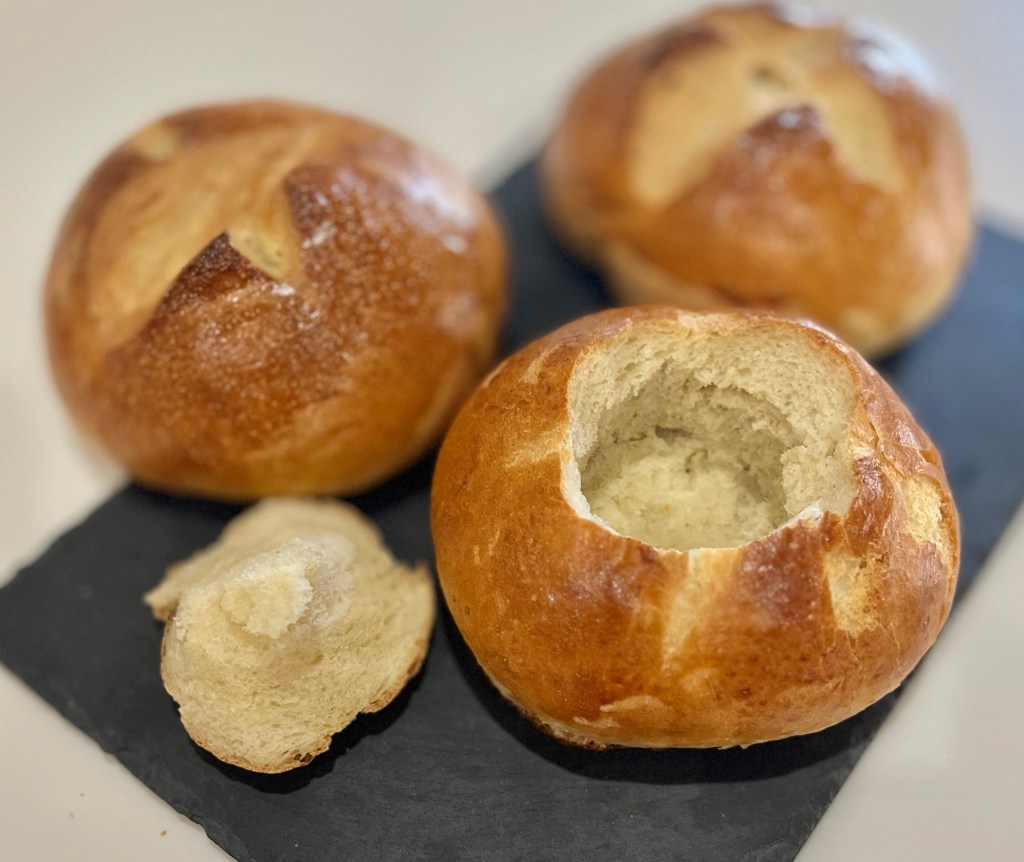
  10. Cool until ready to handle. The longer you cool, the easier they are to cut open. For serving, cut a large round out of the top of each bread bowl. Scoop out the center (save the center to dunk into soup!) and fill with soup.
  11. Cover and store leftover bread bowls at room temperature for a couple days or in the refrigerator for 1 week. You can also freeze the baked bread bowls for up to 3 months, then thaw overnight in the refrigerator. Bring to room temperature before serving.

Make Ahead Instructions: After dough has risen in step 3, punch down the dough inside the mixing bowl and cover the bowl tightly with plastic wrap. Refrigerate overnight or for up to 2 days, then remove from the refrigerator and continue with step 4. OR freeze for up to 2 months, then allow to thaw overnight in the refrigerator and continue with step 4.

Pizza Dough: Makes 4 12-inch pizza crusts, which is likely more than you need, but you can freeze half of the dough for later. Prepare dough through step 4. Instead of forming into 6 balls in step 5, divide the dough in half. Freeze half of the dough for later use (see make ahead tip) and form the other half into 2 large balls. Cover lightly and set aside to rest for 20 minutes. Flatten each ball of dough 1 at a time on a lightly floured surface or on a silicone baking mat. You could also do this directly on your greased pizza pan. Flatten and stretch into a 12-inch round circle. Brush with a little olive oil (no need for egg wash). Add toppings and bake in a super hot oven at 475°F (246°C). Pizzas typically take 12-15 minutes.

Crusty Bread Loaves: Makes about 3 loaves of crusty bread. Prepare dough through step 4. Instead of forming into 6 balls in step 5, divide the dough into 3 pieces. You can freeze 1 or 2 pieces for later use (see make ahead tip). Round into a ball as best you can and place onto a lined baking sheet. Cover lightly and set aside to rest for 30 minutes. The dough will spread out a bit. Brush with egg wash, score with an X, and bake at 400°F (204°C) for 30 minutes or until the tops and edges are golden brown.
Irish Soda Bread

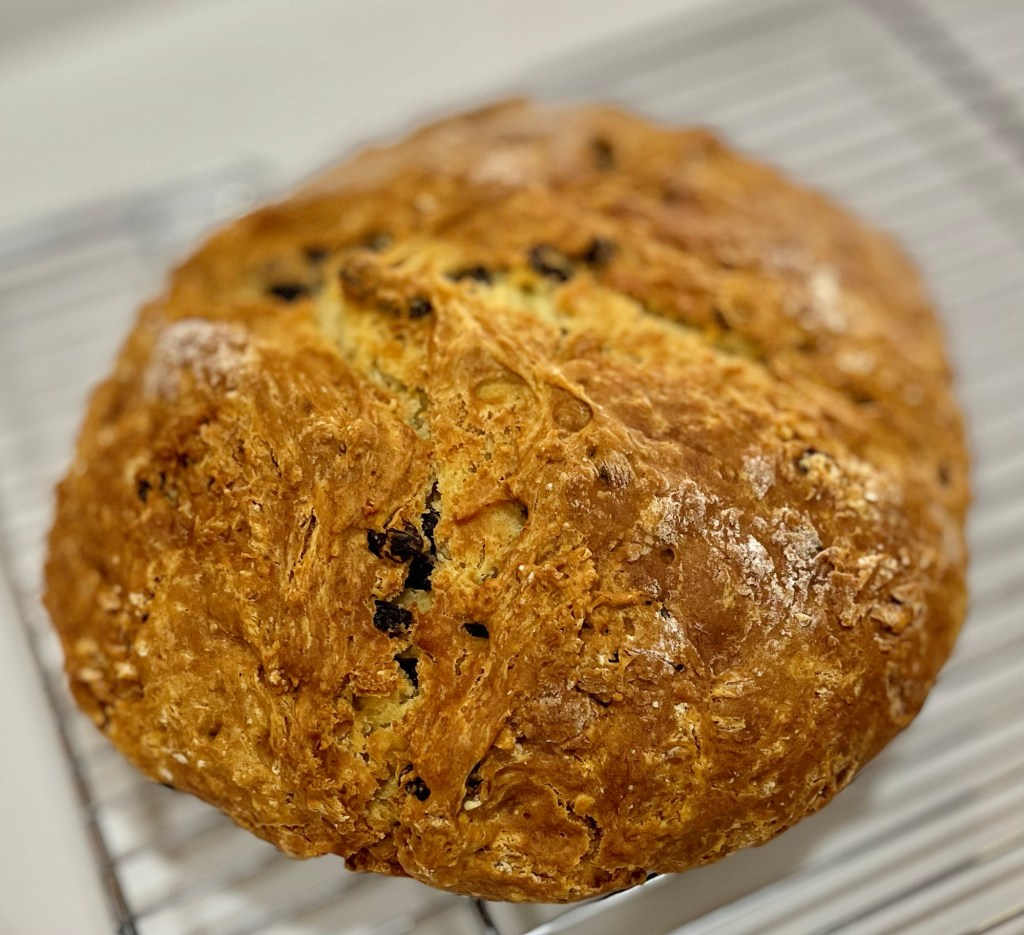
This bread concludes my tour or Europe. I previously made this bread but this time I made some modifications to the method, and I am not sure it worked.

First, I cut the butter into the flour using a food processor. I use this method for scones so thought I would give it a try. The result seemed ok, but the rise wasn’t what I wanted.

Second, I used the “alternative” to buttermilk by mixing 1 tablespoon of lemon juice to 1 3/4 cups of milk Previously I cut the butter in by hand and used store bought buttermilk.

This loaf did not rise like the previous. Oh well, try, try again, I guess.

Irish Soda Bread


INGREDIENTS

• 1 and 3/4 cups (420ml) buttermilk*
• 1 large egg (optional, see note)
• 4 and 1/4 cups (531g) all-purpose flour (spooned & leveled),
• 3 Tablespoons (38g) granulated sugar
• 1 teaspoon baking soda
• 1 teaspoon salt
• 5 Tablespoons (71g) unsalted butter, cold and cubed*
• optional: 1 cup (150g) raisins

METHOD

  1. Preheat oven & pan options: Preheat oven to 400°F (204°C). Bake in a seasoned 10–12-inch cast iron skillet (no need to preheat the cast iron unless you want to).
  2. Whisk the buttermilk and egg together. Set aside.
  3. Whisk the flour, granulated sugar, baking soda, and salt together in a large bowl. Cut in the butter using a pastry cutter, a fork, or your fingers. Mixture is very heavy on the flour but do your best to cut in the butter until the butter is pea-sized crumbs.
  4. Stir in the raisins. Pour in the buttermilk/egg mixture. (*Adding all of the mixture yielded an overly wet dough. Try reserving ½ cup, adding more as necessary.) Gently fold the dough together until dough it is too stiff to stir.
  5. Pour crumbly dough onto a lightly floured work surface. With floured hands, work the dough into a ball as best you can, then knead for about 30 seconds or until all the flour is moistened. If the dough is too sticky, add a little more flour.
  6. Transfer the dough to the prepared skillet. Using a very sharp knife or bread lame, score the dough with a slash or X about 1/2 inch deep. (“Score” = shallow cut.)
  7. Bake until the bread is golden brown, and center appears cooked through, about 45-55 minutes. Loosely tent the bread with aluminum foil if you notice heavy browning on top. The bread is done when an instant read thermometer reads the center of the loaf as 195°F.
  8. Remove from the oven and allow bread to cool for 10 minutes, and then transfer to a wire rack. Serve warm, at room temperature, or toasted with desired toppings/spreads.
  9. Cover and store leftover bread at room temperature for up to 2 days or in the refrigerator for up to 1 week. We usually wrap it tightly in aluminum foil for storing.
    NOTES
  10. Freezing Instructions: Baked and cooled bread freezes well up to 3 months. Freeze the whole loaf or individual slices. Thaw in the refrigerator or at room temperature, then reheat as desired.
  11. Special Tools (affiliate links): Cast Iron Skillet, 9-Inch Round Cake Pan, 9-Inch Pie Dish, Dutch Oven, or Baking Sheet with Silicone Baking Mat or Parchment Paper | Glass Mixing Bowl | Whisk | Pastry Cutter | Instant Read Thermometer
  12. Baking Pan: There are options for the baking pan (see Special Tools Note above). You can use a lined large baking sheet (with or without a rim), a seasoned 10-12 inch cast iron skillet, or a greased or lined 9-10 inch cake pan or pie dish. I don’t recommend a loaf pan because the loaf may not bake evenly inside. This dough is best as a flatter loaf.
  13. Buttermilk: Using cold buttermilk is best. Buttermilk is key to the bread’s flavor, texture, and rise. The bread will not rise without it. If you don’t have any buttermilk on hand, you can make a homemade “DIY” version. Whole milk or 2% milk is best, though lower fat or nondairy milks work in a pinch. Add 1 Tablespoon of lemon juice or white vinegar to a liquid measuring cup. Add enough cold milk to make 1 and 3/4 cups. Whisk together, then let sit for 5 minutes before using in the recipe.
  14. Egg: 1 egg adds richness and density. Feel free to skip it to make a slightly lighter loaf. No other changes necessary, simply leave out the egg.
  15. Cold Butter: The colder the butter, the less sticky the dough will be. Make sure it’s very cold, even frozen cubed butter is great.
  16. Smaller Loaves: You can divide this dough up to make smaller loaves. The bake time will be shorter, depending how large the loaves are. An instant read thermometer will be especially helpful. Bake the loaves until an instant read thermometer reads the center of the loaf as 195°F (90°C).

Homemade Bread Bowls

You may know I am a big fan of Sally’s Baking Addiction and maintain that baking as a hobby is a real sickness (as is golf.)

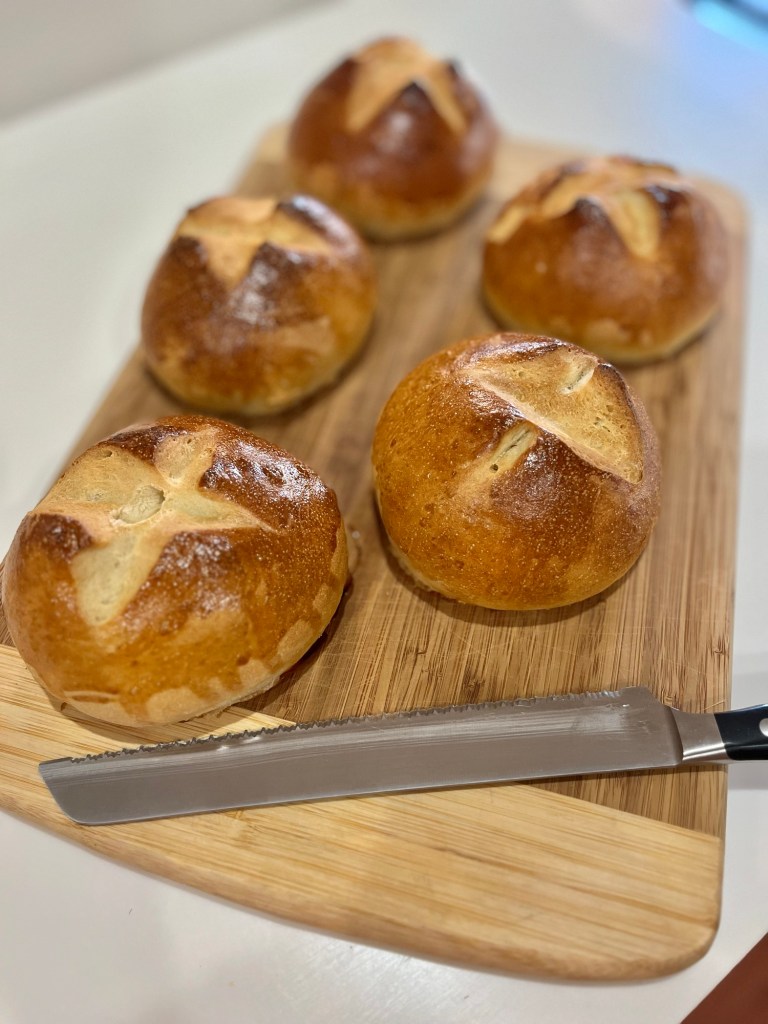
I received a post from Sally with a recipe for bread bowls and knew it would soon be in my baking queue. This morning was the time. A friend and I are planning a soup and bread dinner party for sometime around December and this is my first experiment with soup bread bowls.

The bread has a nice crisp crust and soft crumb, but should be firm enough to hold a cup of hearty soup. Broths or something like chicken noodle would likely soak through. I plan on making Italian bread, garlic bread knots and soft pretzel bites for the thinner soups.

I set aside one proofed but not baked loaf in the fridge to use as pizza dough for dinner tonight. A double wrapped finished loaf went into the freezer to check the make ahead quality. I will use it for lunch Sunday.

The dough weighs ~1380 g or ~230g once divided and the final loaf size is ~5”. I used an egg-yolk and milk wash for this bake. It results in a slightly darker crust than a whole egg and water wash. Use whichever you like, they will all be good.

Homemade Bread Bowls

INGREDIENTS
• 4 ½ teaspoons active dry yeast
• 2 ¼ cups (540ml) warm water (110°F – 115°F)
• 2 tsp granulated sugar
• 2 tsp salt
• 2 Tablespoons (30ml) olive oil
• 780 g (6 c) bread flour
• egg wash: 1 large egg beaten with 1 Tablespoon water or milk

METHOD

  1. Pour the warm water over yeast in the bowl of a stand mixer fitted with a dough hook attachment. Cover the bowl with a towel. The mixture should be frothy and foamy after 5 minutes.
  2. With the stand mixer running on low speed, add the sugar, salt, olive oil, 4 cups of bread flour, and seasonings. Beat on low speed for 1 minute, then add remaining 2 cups of flour.
  3. Keep the dough in the mixer and knead for an additional 5-6 full minutes. If the dough becomes too sticky during the kneading process, sprinkle 1 teaspoon of flour at a time on the dough or on the work surface/in the bowl to make a soft, slightly tacky dough. Do not add more flour than you need because you do not want a dry dough. After kneading, the dough should still feel a little soft. Poke it with your finger—if it slowly bounces back, your dough is ready to rise.
  4. Turn it out onto a lightly floured surface and form into a ball. Then place into a large, greased bowl, turning once to grease the top. (I just use the same mixing bowl—remove the dough, grease it with nonstick spray or olive oil, put the dough back in.) Cover the bowl with plastic wrap and place it in a warm environment to rise until doubled, about 90 minutes.
  5. Once doubled in size, punch down the dough to release any air bubbles. Remove dough from the bowl and turn it out onto a lightly floured surface. Punch down again to release any more air bubbles if needed.
  6. Using a sharp knife or dough scraper, cut into 6 even pieces. Form each into a large ball.
  7. Line 2 large baking sheets with parchment paper or silicone baking mats. Place 3 dough balls onto each. Cover lightly and set aside to rest for 20 minutes as the oven preheats.
  8. Preheat oven to 400°F (204°C). Brush each dough ball with egg wash and, using a sharp knife, score an X into the tops of each.
  9. Bake for 30 minutes or until golden brown. For a more accurate test for doneness, the bread bowls are done when an instant-read thermometer reads the center as 195°F (90°C).
  10. Cool until ready to handle. The longer you cool, the easier they are to cut open. For serving, cut a large round out of the top of each bread bowl. Scoop out the center (save the center to dunk into soup!) and fill with soup.
  11. Cover and store leftover bread bowls at room temperature for a couple days or in the refrigerator for 1 week. You can also freeze the baked bread bowls for up to 3 months, then thaw overnight in the refrigerator. Bring to room temperature before serving.

Make Ahead Instructions: After dough has risen in step 3, punch down the dough inside the mixing bowl and cover the bowl tightly with plastic wrap. Refrigerate overnight or for up to 2 days, then remove from the refrigerator and continue with step 4. OR freeze for up to 2 months, then allow to thaw overnight in the refrigerator and continue with step 4.

Pizza Dough: Makes 4 12-inch pizza crusts, which is likely more than you need, but you can freeze half of the dough for later. Prepare dough through step 4. Instead of forming into 6 balls in step 5, divide the dough in half. Freeze half of the dough for later use (see make ahead tip) and form the other half into 2 large balls. Cover lightly and set aside to rest for 20 minutes. Flatten each ball of dough 1 at a time on a lightly floured surface or on a silicone baking mat. You could also do this directly on your greased pizza pan. Flatten and stretch into a 12-inch round circle. Brush with a little olive oil (no need for egg wash). Add toppings and bake in a super hot oven at 475°F (246°C). Pizzas typically take 12-15 minutes.

Crusty Bread Loaves: Makes about 3 loaves of crusty bread. Prepare dough through step 4. Instead of forming into 6 balls in step 5, divide the dough into 3 pieces. You can freeze 1 or 2 pieces for later use (see make ahead tip). Round into a ball as best you can and place onto a lined baking sheet. Cover lightly and set aside to rest for 30 minutes. The dough will spread out a bit. Brush with egg wash, score with an X, and bake at 400°F (204°C) for 30 minutes or until the tops and edges are golden brown.

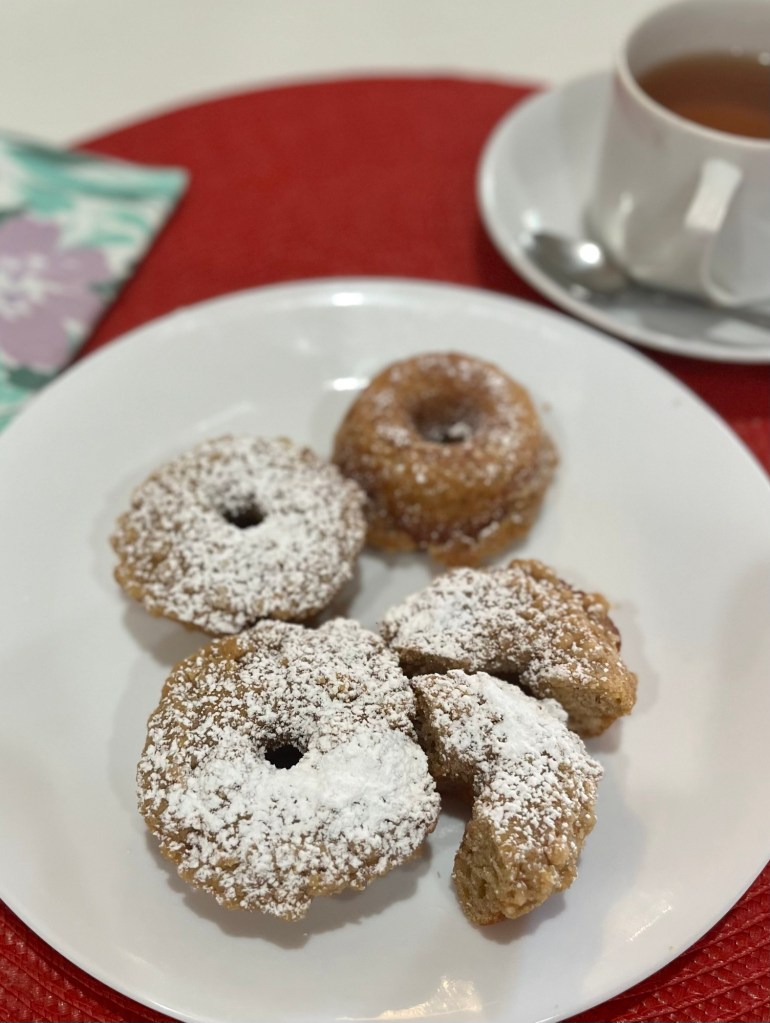
Crumb Cake Donuts – Sally’s Baking Addiction Monthly Challenge

I am often asked “Why don’t you open a bake shop?” (Then it wouldn’t be a hobby.) Or, “Why don’t you enter a baking contest? (Because if I don’t have a recipe in front of me, I am useless.)

I have followed Sally’s Baking Addiction for quite a while. She is one of the several that I refer to when I need advice or another opinion (not that anyone knows they are doing this for me.) For nebulous reasons I entered Sally’s monthly challenge this week. First, she provides the recipe, second I can bake in my own kitchen at my own pace

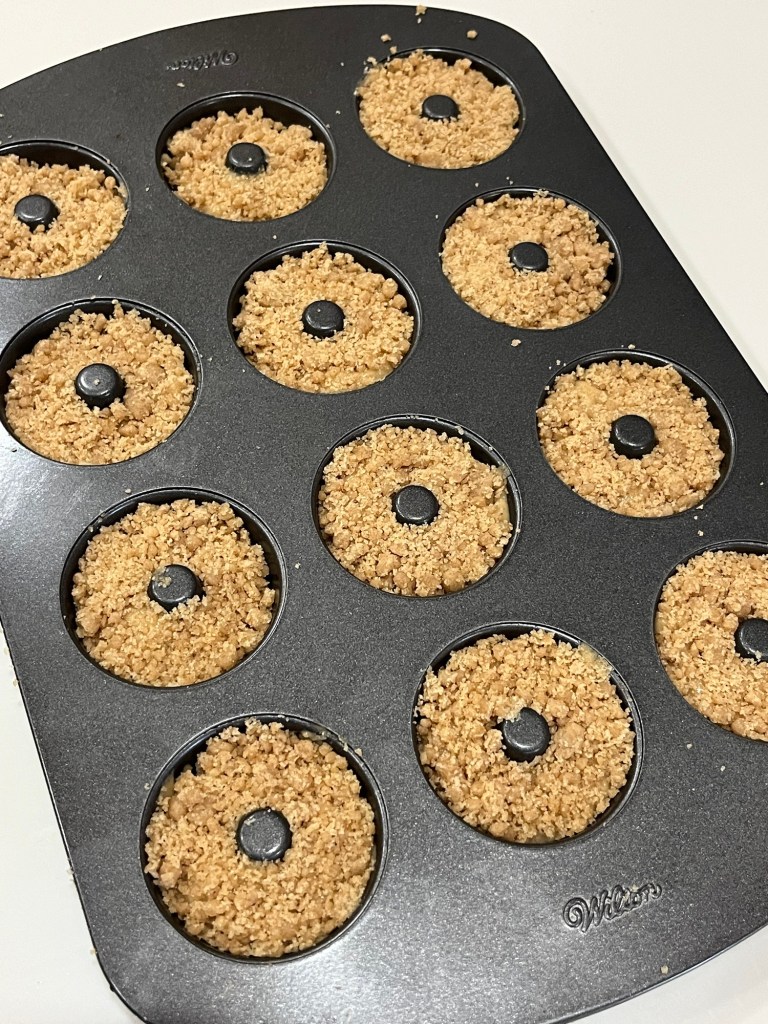
Also, I like baked, cake donuts and these are good ones. There are a lot of ingredients, but nothing too challenging. The method does not have a lot steps and the donuts come together quickly. The instructions were spot on and the results excellent.

Crumb Cake Donuts

INGREDIENTS
Crumb Topping
• 1/3 cup (67g) packed light or dark brown sugar
• 1/3 cup (67g) granulated sugar
• 1 and 1/2 teaspoons ground cinnamon
• 1/2 cup (8 Tbsp; 113g) unsalted butter, melted
• 1 cup + 2 Tablespoons (140g) all-purpose flour (spooned & leveled)

Donuts
• 2 cups (250g) all-purpose flour (spooned & leveled)
• 2 teaspoons baking powder
• 1/2 teaspoon baking soda
• 3/4 teaspoon salt
• 1 teaspoon ground cinnamon
• 1/4 teaspoon ground nutmeg
• 1/4 cup (4 Tbsp; 56g) unsalted butter, melted and slightly cooled
• 2 large eggs, at room temperature
• 2/3 cup (135g) packed light brown sugar
• 1/2 cup (120ml) milk, at room temperature
• 1/2 cup (120g) plain yogurt or sour cream, at room temperature
• 2 teaspoons pure vanilla extract
• confectioners’ sugar for dusting

METHOD

  1. Preheat oven to 350°F (177°C). Spray donut pan with non-stick spray. Set aside.
  2. Make the crumb topping: Mix the brown sugar, granulated sugar, and cinnamon together in a medium bowl. Stir in the melted butter using a fork, then add the flour. Mix and crumble with a fork. Set aside.
  3. Make the donuts: Whisk the flour, baking powder, baking soda, salt, cinnamon, and nutmeg together in a large bowl. Set aside. Whisk the melted butter, eggs, brown sugar, milk, yogurt, and vanilla together until completely combined.
  4. Pour the wet ingredients into the dry ingredients and mix until just combined. Do not over-mix. The batter will be very thick.
  5. Pipe the batter into the donut cavities filling about halfway. Grab a handful of crumb-topping and press down onto the batter of each donut. Pressing it snug into the batter helps prevent the crumb coating from falling off the donuts. (If you only have 1 donut pan, keep the remaining batter in the bowl at room temperature until you can bake the next batch.)
  6. Bake for 10-11 minutes or until the edges and tops are lightly browned. Allow to cool for about two minutes then transfer to a wire rack set on a large piece of parchment paper. Bake the remaining donut batter and once baked, transfer to the wire rack. Dust the tops of each with a light coating of confectioners’ sugar, if desired.
  7. Donuts are best served immediately. Leftovers keep well covered tightly at room temperature or in the refrigerator for 2 days.


Freezing Instructions: Freeze the baked and cooled donuts for up to 3 months. Thaw overnight in the refrigerator, then warm up to your liking in the microwave.