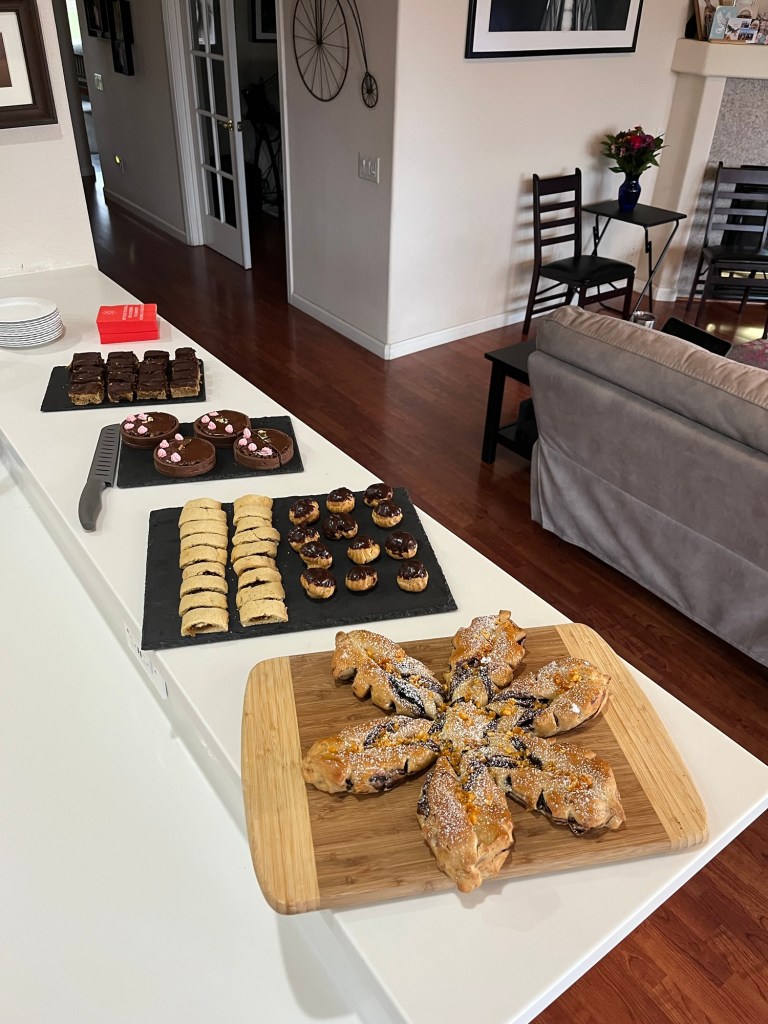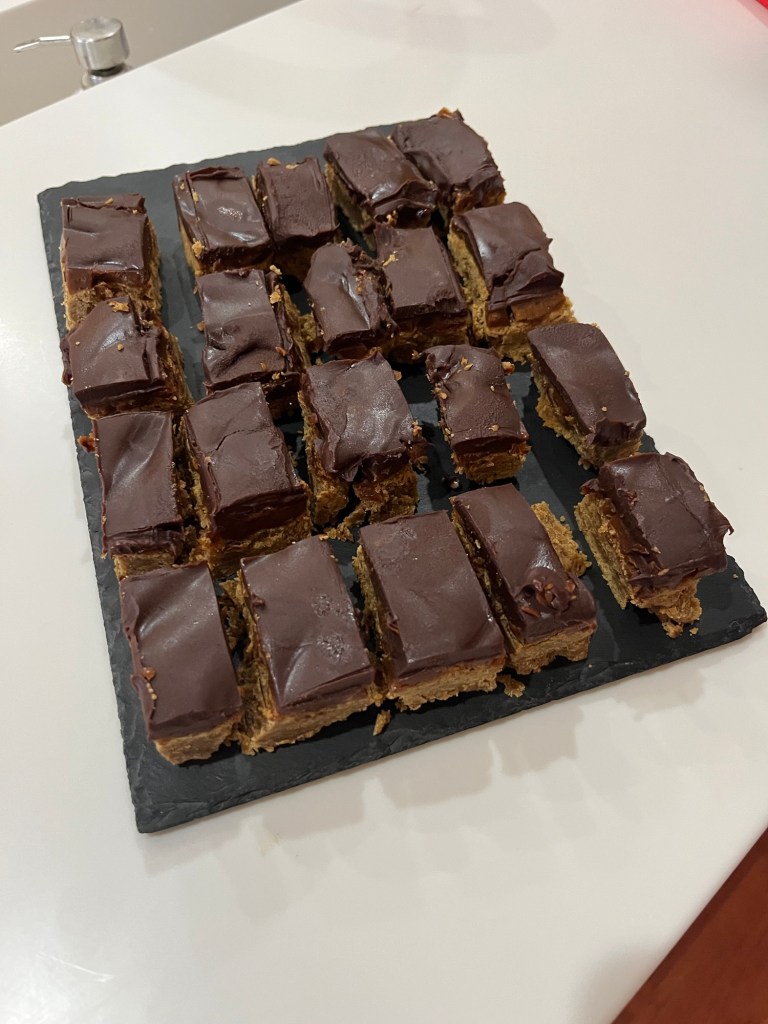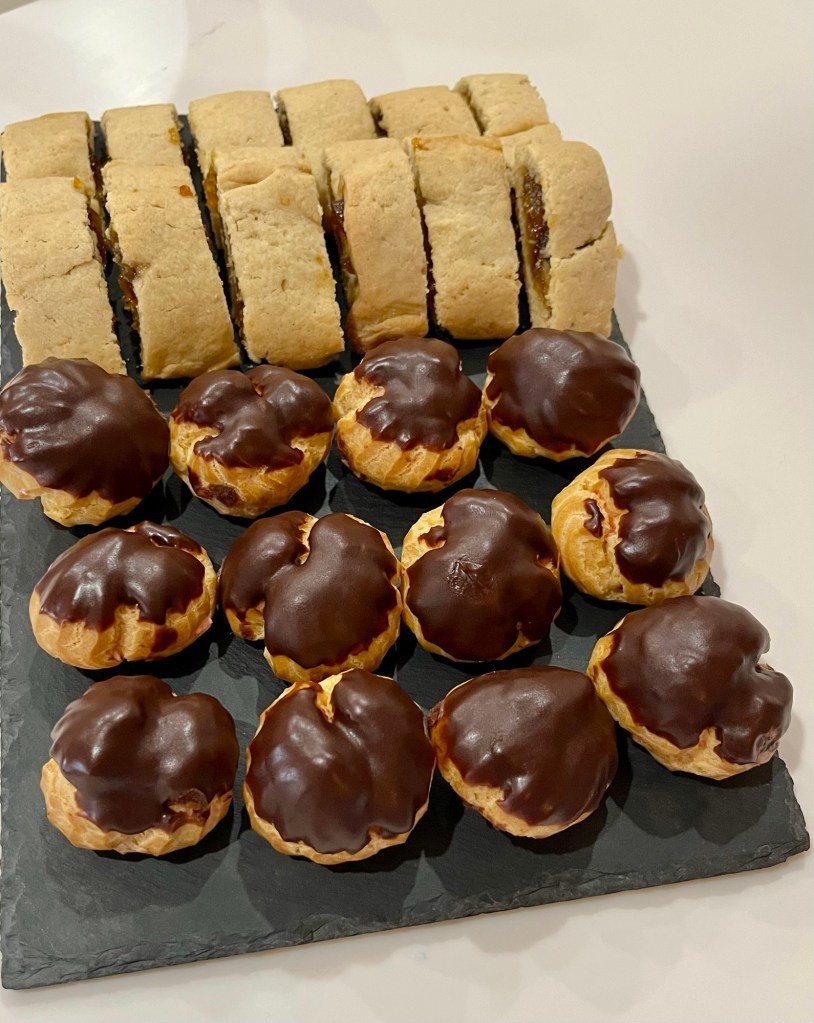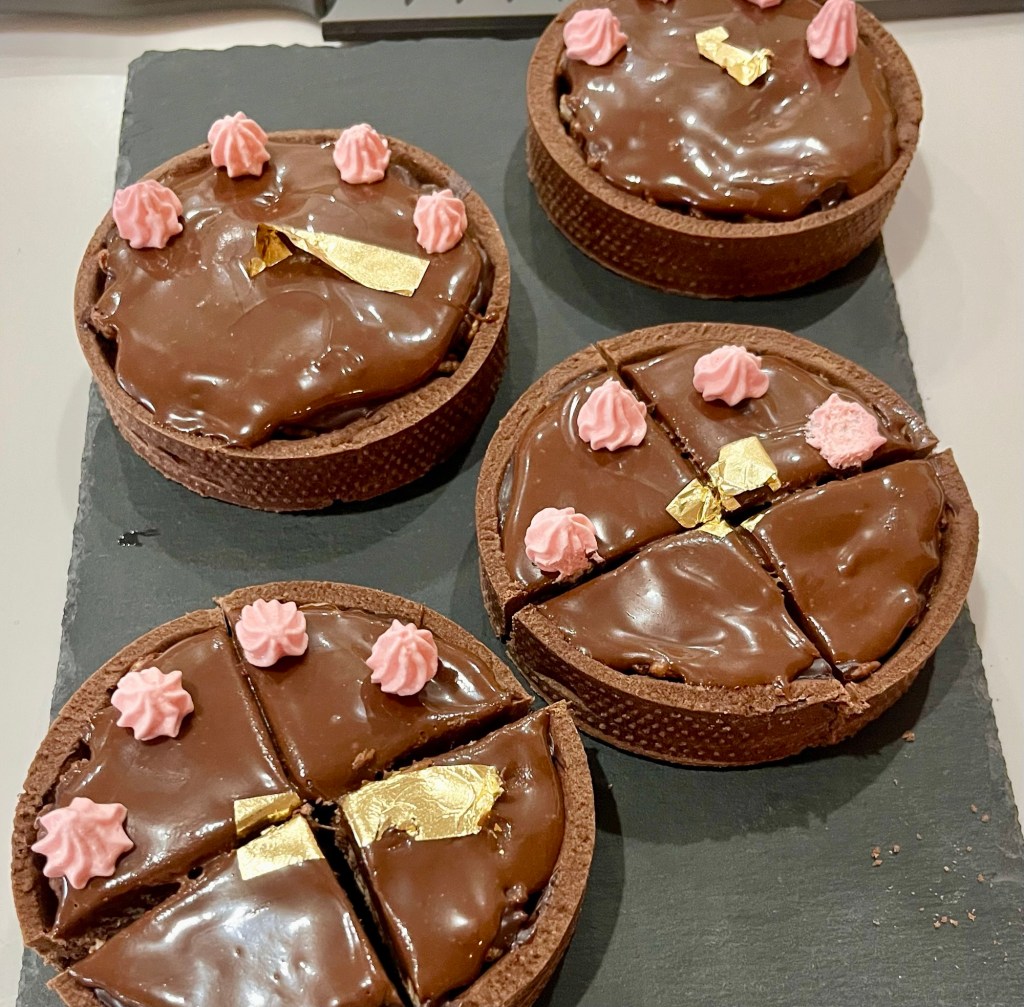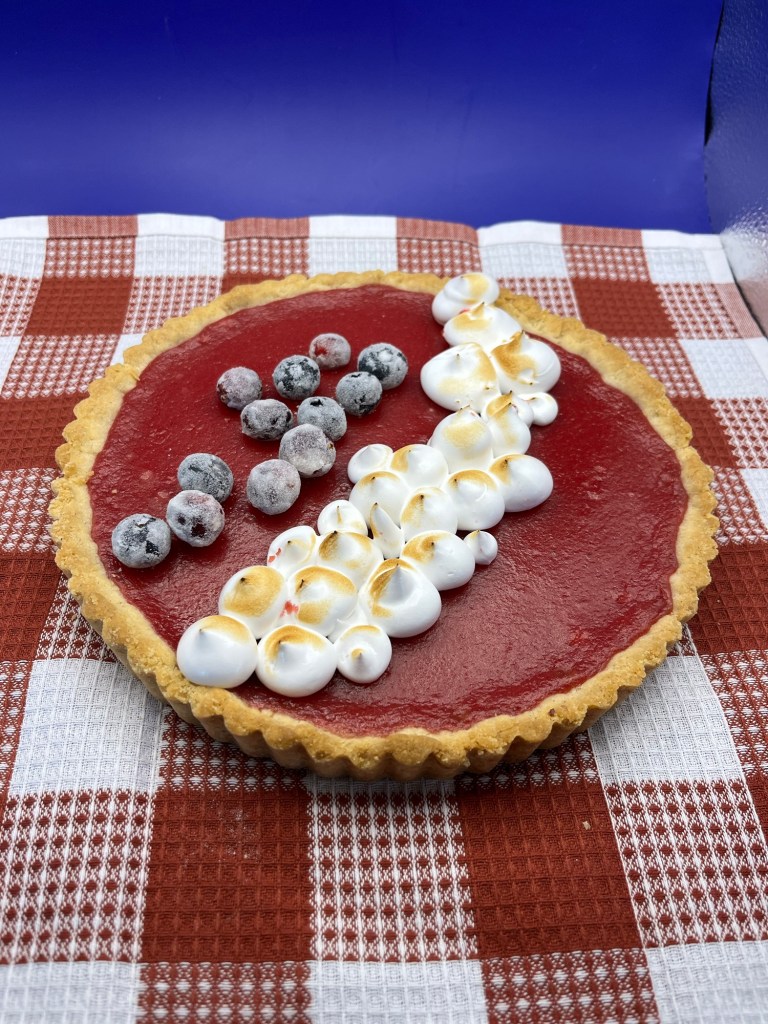
By special invitation is my almond-crust-cranberry-curd tart.
Today is Thanksgiving in the USA . Thanksgiving is a national holiday celebrating the harvest and other blessings of the past year. It is believed to be modeled on a 1621 harvest feast shared by the English colonists (Pilgrims) of Plymouth and the Wampanoag people.
For my whole life Thanksgiving centered around family and friends, old and new, sharing both a meal and each other. As a child Thanksgiving was held at our house and all our aunts, uncles and cousins would come for a huge mid-day meal. We had to finish early as our uncles had to go back to the farm to milk the cows. I had a lot of aunts and uncles and LOTS of cousins. Mostly I remember the pies, so many pies.
Since moving to California our son and daughter in law have hosted Thanksgiving and this year was no exception. There were over 20 people and enough food for 50.
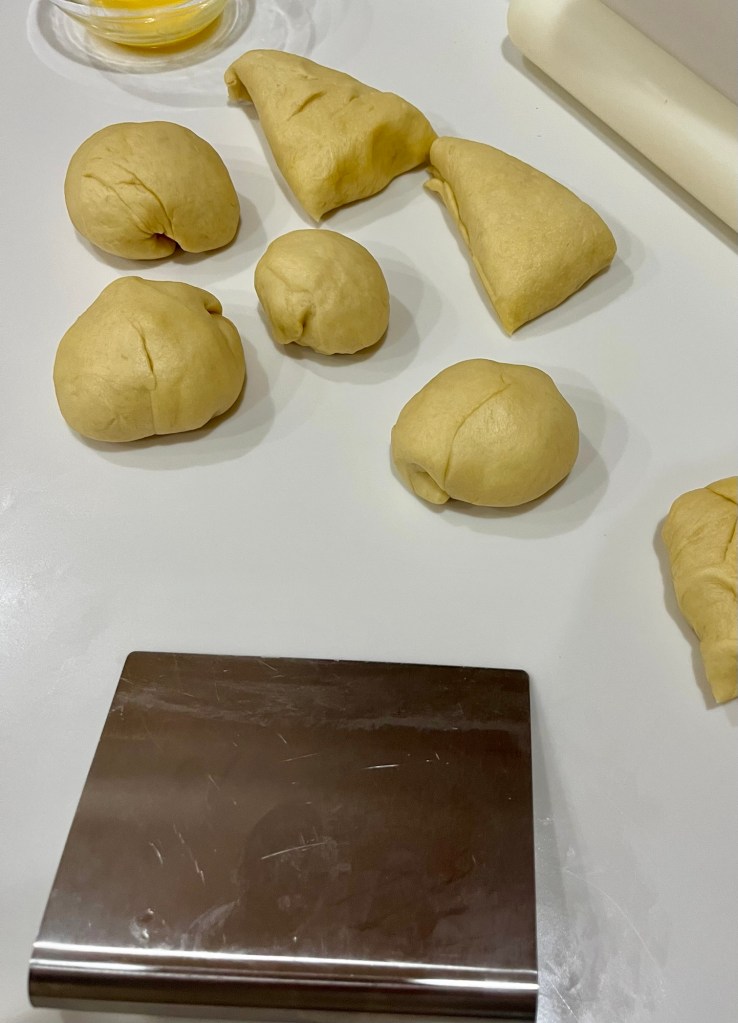
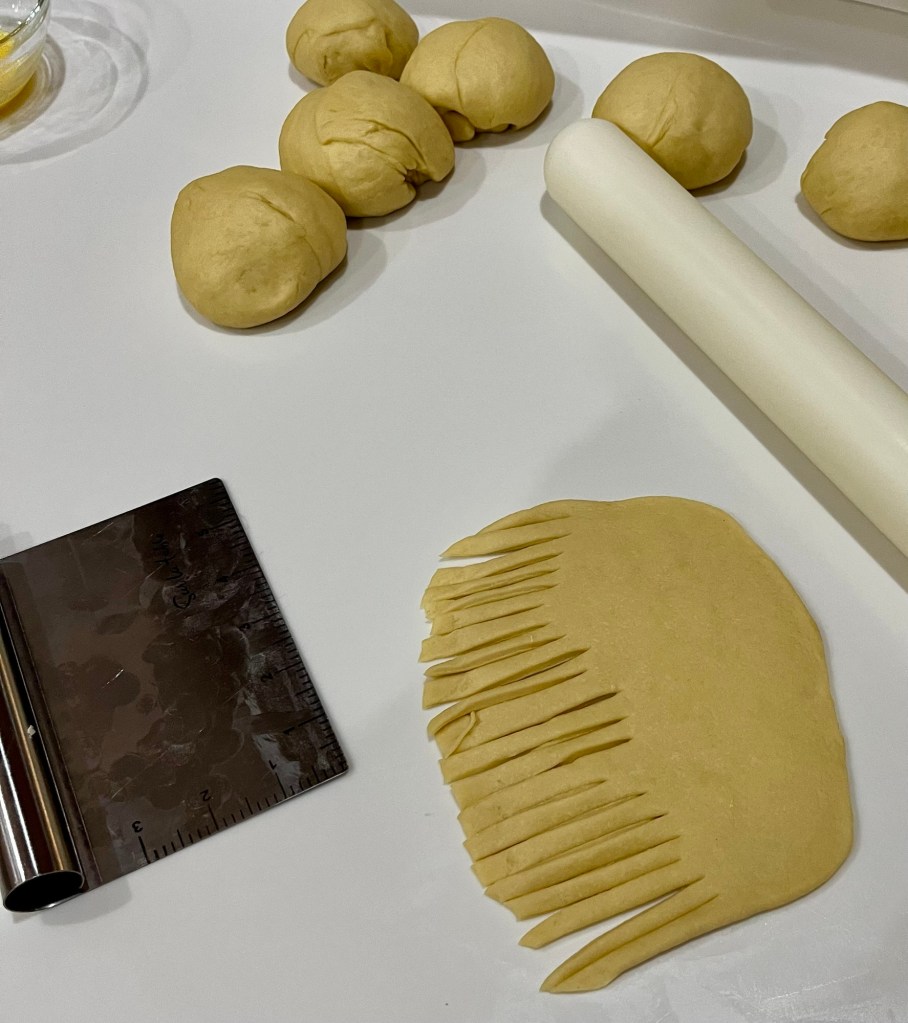
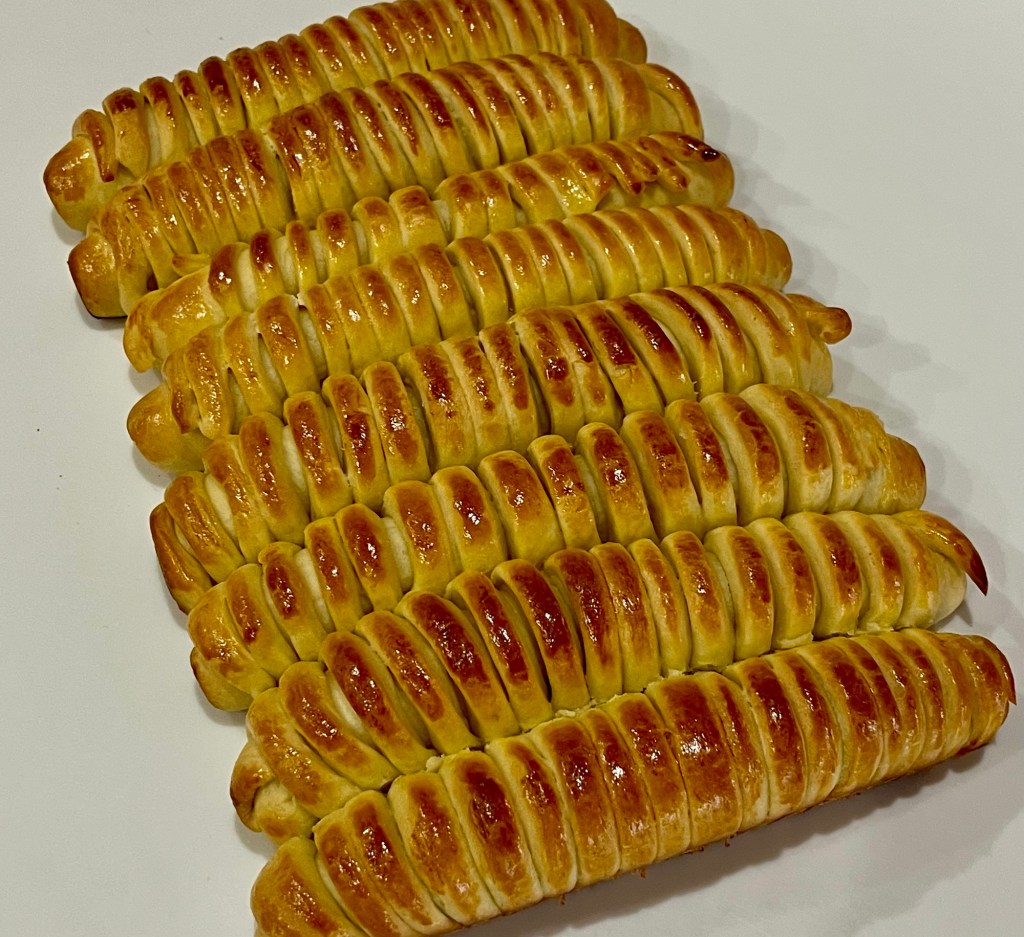
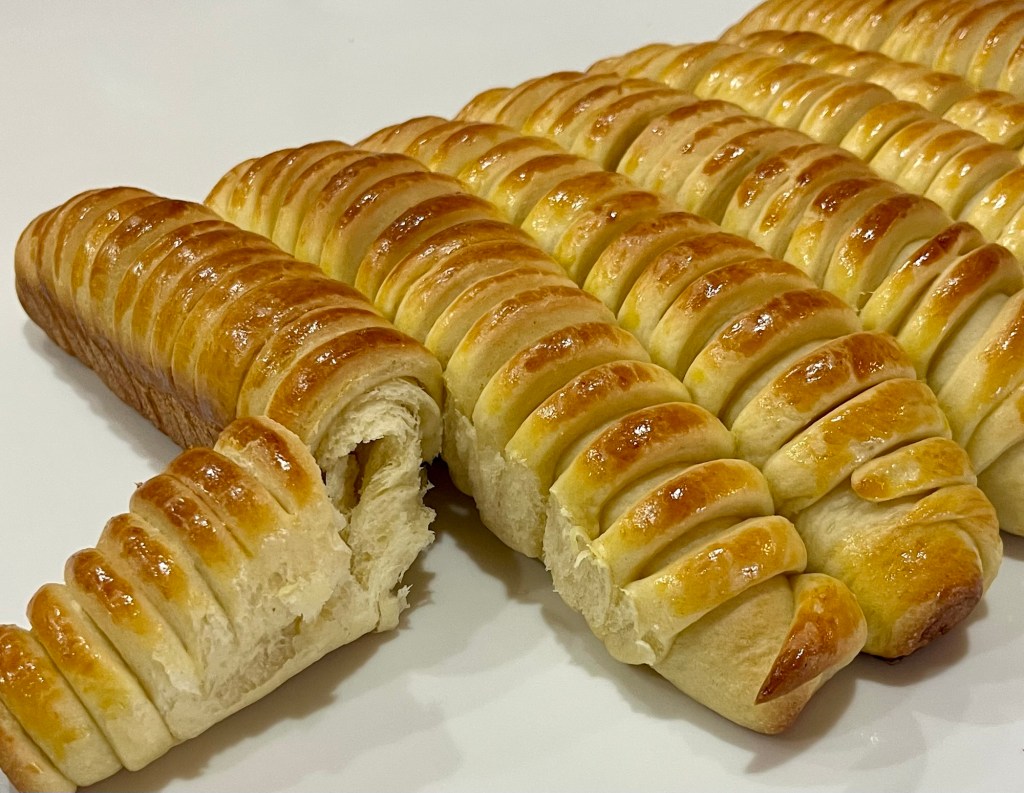
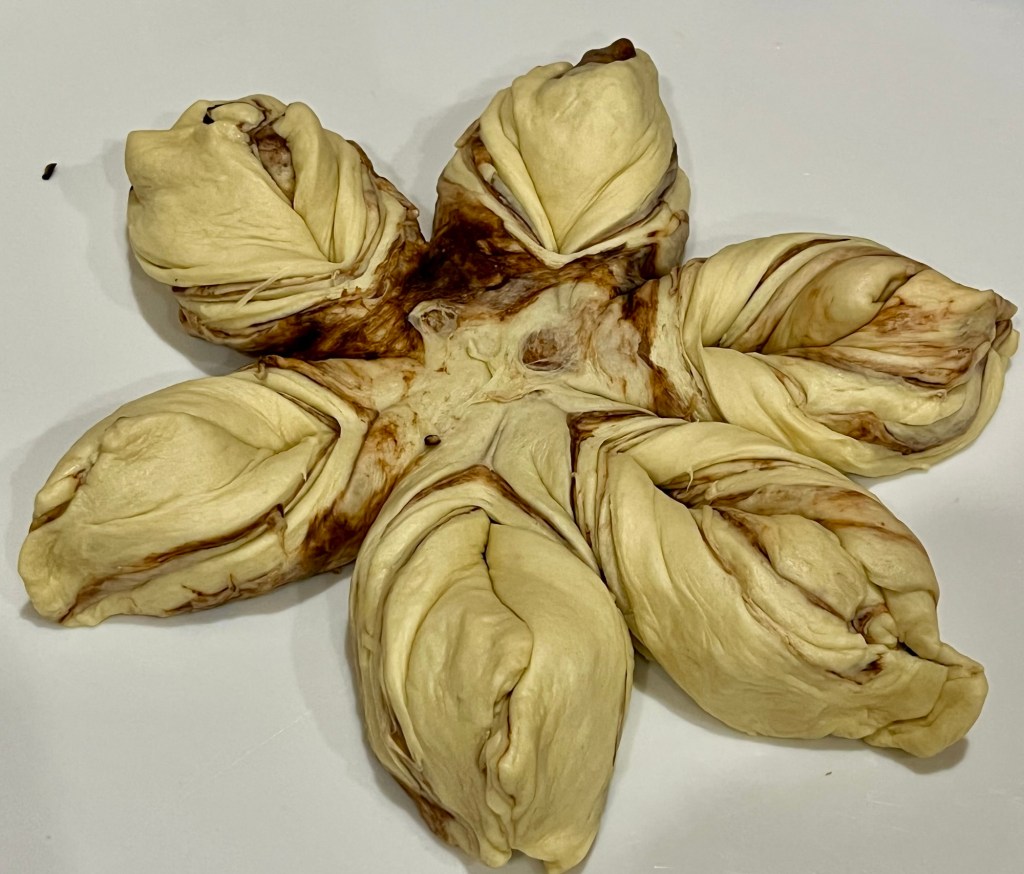
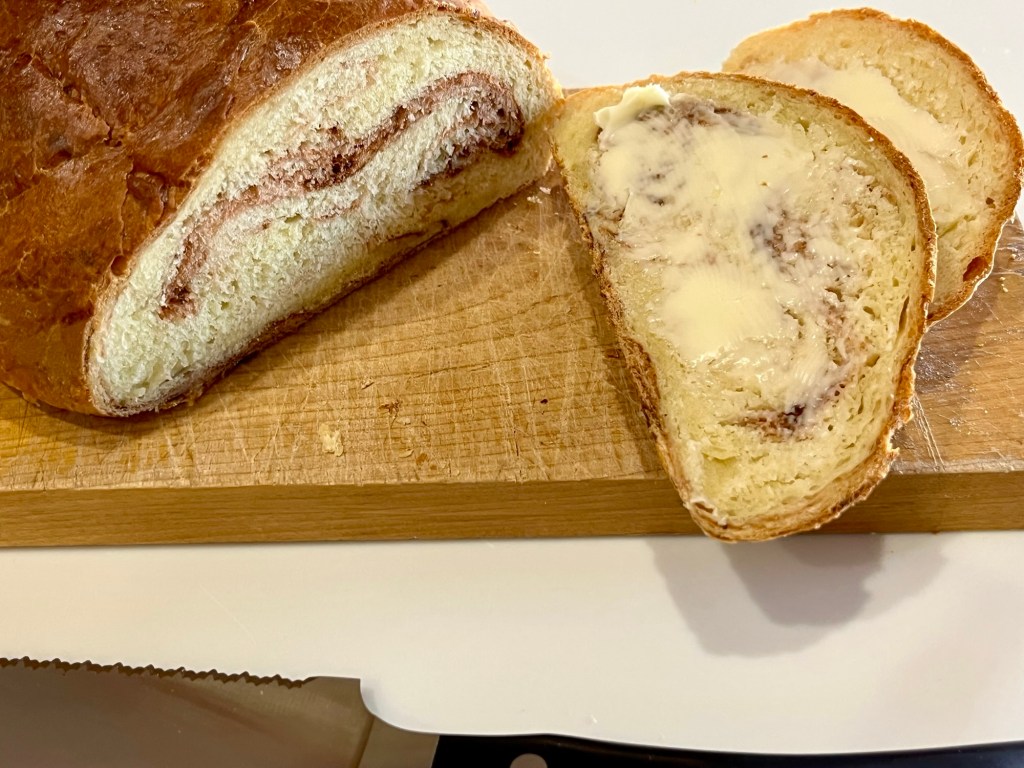
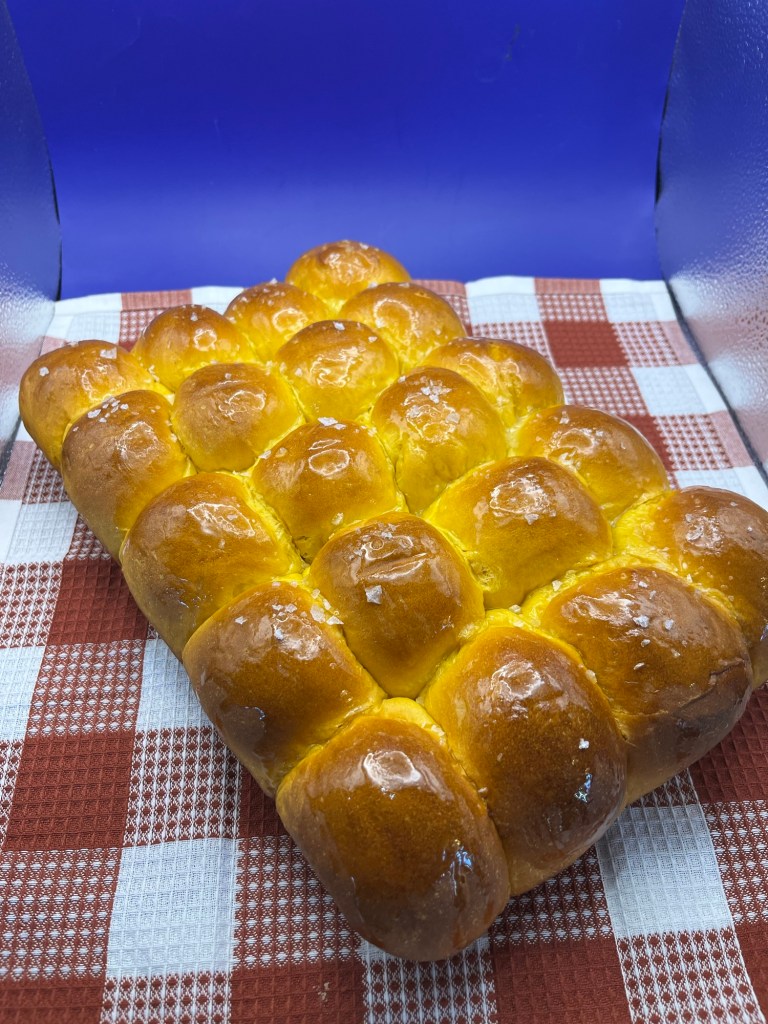
I made an apple pie, an almond-crust-cranberry-curd tart (see below) and sweet potato dinner rolls. There were also two pumpkin pies and very little left when we were done.
Cranberry Curd Tart Almond Crust
INGREDIENTS For the crust • 99g (½ c) granulated sugar • 113g (8 Tbl) unsalted butter, softened • ¼ tsp table salt • 1 tsp King Arthur Pure Vanilla Extract • ½ tsp almond extract • 180g (1½ c) King Arthur Unbleached All-Purpose Flour • 72g (¾ c) almond flour or finely ground sliced or slivered almonds
For the cranberry curd • 12 ounces cranberries (fresh or frozen) • juice of one orange (~ ¼ c) • 250g (1 ¼ c) sugar • 2 whole eggs • 2 egg yolks • 113g (½ c, 1 stick) unsalted butter • 1 teaspoon vanilla extract • 1 tablespoon orange liqueur, such as TripleSec or Grand Marnier (optional)
For the Italian meringue • 2 egg whites • 1/8 teaspoon cream of tartar • 1/2 cup sugar • 1/4 cup water
METHOD Crust
Mix butter with sugar then add salt then vanilla.
Add egg and mix until incorporated. Stir in flour. Mix by hand like you are kneading bread until incorporated
Cover with plastic and refrigerate for 30 min
Pre-heat oven to 350⁰F
Butter tartl pans, or use non-stick pans
Dock (prick holes in) bottom and sides of formed dough then refrigerate for 20 minutes
Line tart pan with crumpled then smoothed parchment paper and fill with pastry weights.
Paint edges of the tartlet with the egg wash.
Bake in preheated oven 350⁰ F (175⁰ C) for 15 min. Remove pastry weights 5 minutes before the end of the bake.
Immediately remove from pans and cool on a wire rack
Cranberry Curd
Heat the cranberries and orange juice in a medium saucepan over medium-high heat until the cranberries split. Mix with an immersion blender then strain through a food mill or fine mesh sieve and discard the skins.
Return the strained cranberry mixture to the saucepan and add the sugar, eggs, egg yolks, butter, vanilla, and orange liqueur (if using) to the pan and give everything a good stir. Heat gently over medium-low heat, stirring constantly, until the mixture thickens and registers 170°F on an instant read thermometer (this usually takes about 8-9 minutes). Immediately strain (again) through a fine mesh sieve into a large measuring bowl and then pour into the prepared crust. (The curd can be stored in an airtight container in the fridge for up to a week. You may need to bake it a few more minutes for the tart to set when baking from chilled)
Bake (still at 350°F) until the curd is set (it should jiggle but not slosh), about 10 minutes. (Curd was jiggly after 20 more minutes baking.)
Let cool at room temperature for about 1 hour, then transfer to the refrigerator to chill. You can serve this chilled or at room temperature.
Italian meringue
Add egg whites and cream of tartar to the bowl of a stand mixer fitted with a whisk attachment. Heat sugar and water in a small saucepan over medium high heat.
When the sugar mixture registers about 220°F turn on the mixer and begin beating the egg whites on medium speed.
When the sugar mixture registers 240°F remove from heat and carefully pour into the mixer over the egg whites. Increase the mixer speed to high and beat until the egg whites form stiff peaks.
Transfer to a piping bag (or zip top bag) and pipe onto cooled tart as desired. If you want, torch the meringue with a kitchen torch. (But since it is cooked, this is totally optional).
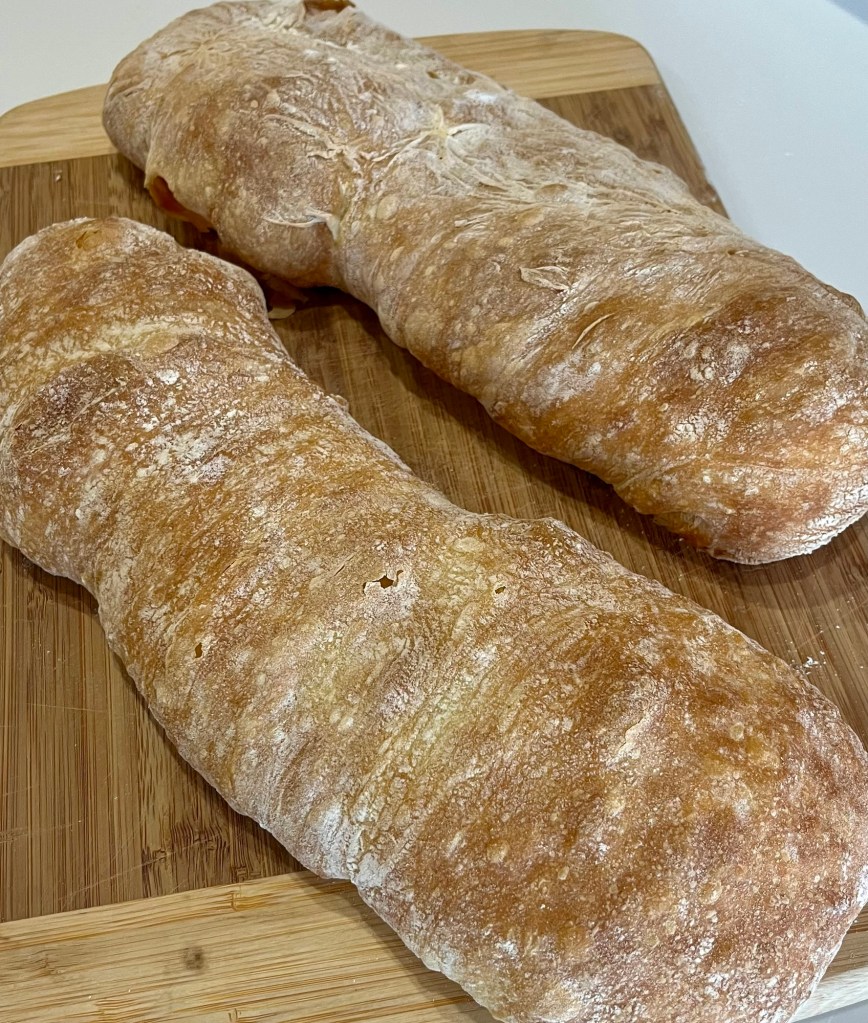
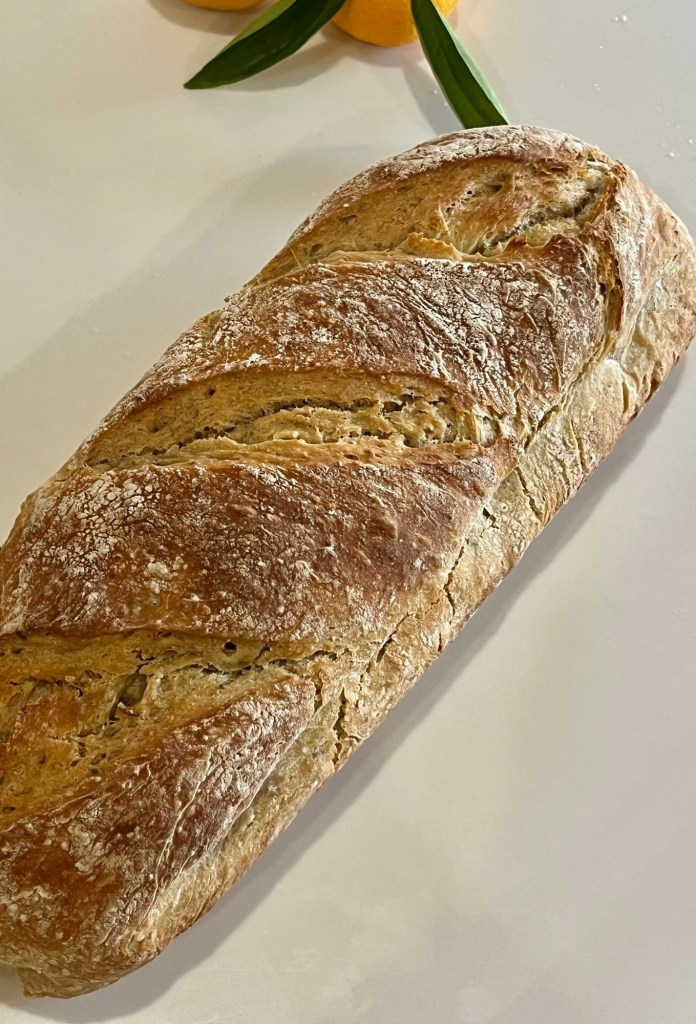
As long as the oven was on and I had time to wait for doughs to chill etc, I also made a loaf of artisan bread.
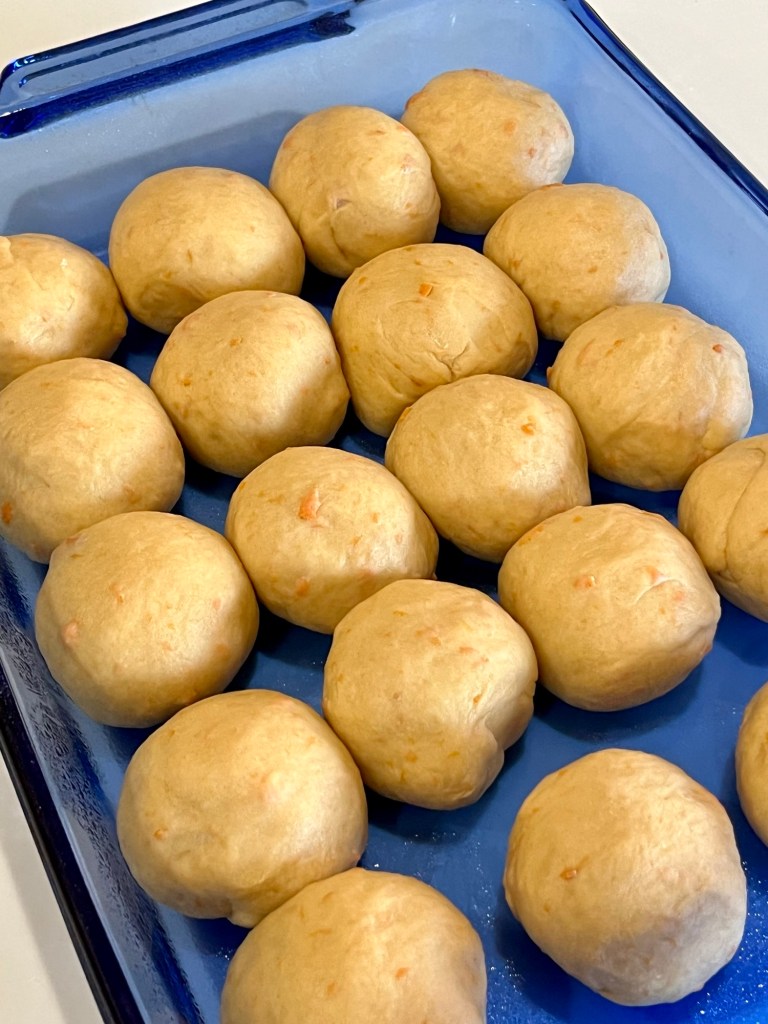
Sally’s Baking Addiction contest this week is the above mentioned Soft Sweet Potato Rolls. My usual dinner rolls are a tremendous hit, but I am willing to chance one for the contest.
I followed the instructions exactly as shown below.
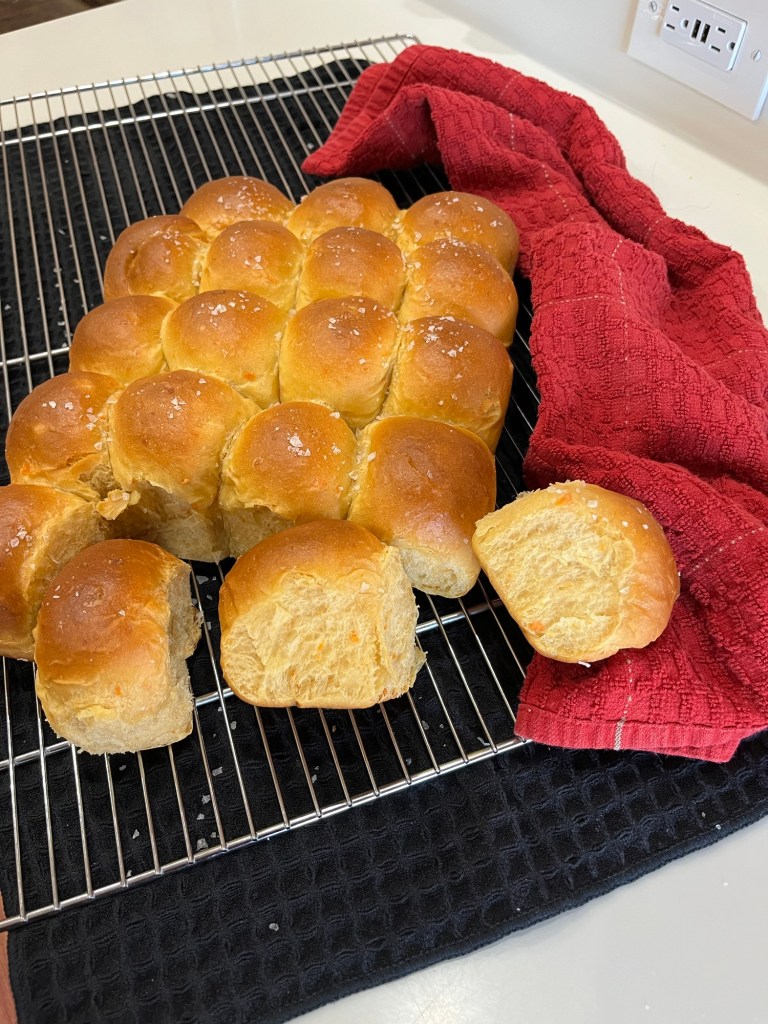
After QC and I sampled a roll each we agreed these are as exceptional and my standard rolls and they have the advantage of being sweet potato based and Thanksgiving is in a couple of week. LiG.
INGREDIENTS • 1 medium sweet potato, about 250–290g, peeled and chopped (to yield 1 cup mashed) • ¾ cup (180ml) whole milk, warmed to about 110°F (43°C) • 2 ¼ tsp instant dry yeast • 1/3 cup (113g) honey, divided • 2 large eggs, at room temperature • 5 Tbl (71g) unsalted butter, softened • 1 ¾ tsp salt • 5 ½ c (715g) bread flour* (spooned & leveled), plus more as needed • optional: 2 Tbl (28g) melted butter and flaky sea salt, for finishing
METHOD
Prepare the sweet potato: Place the chopped sweet potato in a medium saucepan and add enough water to cover. Bring to a boil over high heat, then reduce the heat to medium-high and boil until the sweet potato is very soft and tender, about 10–12 minutes. Drain off the water, then mash the sweet potato as well as you can—a few small lumps are okay. Measure 1 cup (230g) of mashed sweet potato to use in the dough, and set aside to slightly cool. (Do not use more than 1 cup in your dough. Discard or eat any leftover.)
Proof the yeast: Whisk the warm milk, yeast, and 2 Tablespoons of honey together in the bowl of your stand mixer. Cover and allow to sit for 5 minutes.
Make the dough: Add the remaining honey, eggs, butter, mashed sweet potato, salt, and 1 cup (125g) flour. With a dough hook or paddle attachment, mix/beat on low speed for 1 minute. Stop and scrape down the sides of the bowl with a silicone spatula, then add the remaining flour. Beat on medium speed until the dough comes together and pulls away from the sides of the bowl, about 3 minutes. If the dough seems too wet to a point where kneading (next step) would be impossible, beat in more flour 1 Tablespoon at a time until you have a workable dough. Don’t be nervous if you’re adding a lot more flour; there are a lot of variables such as moisture in the sweet potato, humidity, weather, etc. Dough should be soft and a little sticky, but still manageable to knead with lightly floured hands.
Knead the dough: Keep the dough in the mixer fitted with a dough hook and beat on low speed for an additional 5 full minutes, or knead by hand on a lightly floured surface for 5 full minutes. If the dough becomes too sticky during the kneading process, sprinkle 1 teaspoon of flour at a time on the dough or on the work surface/in the bowl to make a soft, slightly tacky dough. After kneading, the dough should feel soft and smooth. Poke it with your finger—if it slowly bounces back, your dough is ready to rise.
1st Rise: Lightly grease a large bowl with oil or nonstick spray. Place the dough in the bowl, turning it to coat all sides in the oil. Cover the bowl and allow the dough to rise in a relatively warm environment for 1–2 hours or until double in size. (I always let it rise on the counter. Takes about 1 and 1/2 hours.
Grease a 9×13-inch baking pan.
Shape the rolls: When the dough is ready, punch it down to release the air. Weigh the dough (~1370g) then divide the dough into 20 equal pieces (about ~68g each.) Shape each piece into a smooth ball. Arrange in prepared baking pan.
2nd Rise: Cover shaped rolls and allow to rise until puffy, about 30 to 45 minutes.
Adjust oven rack to a lower position and preheat oven to 350°F (177°C). (It’s best to bake the rolls towards the bottom of the oven so the tops don’t burn.)
Bake the rolls: Bake for 25 minutes or until golden brown on top (internal temperature if taken with an instant-read thermometer should be 190°F), rotating the pan halfway through. If you notice the tops browning too quickly, loosely tent the pan with aluminum foil (I usually add it after 20 minutes).
Remove from the oven, brush with melted butter and sprinkle with flaky sea salt. Allow rolls to cool for 15 minutes before serving. We’ve learned that the longer they cool, the better their flavor.
Cover leftover rolls tightly and store at room temperature for up to 3 days, or in the refrigerator for up to 1 week. Notes
Freezing Instructions: You can freeze the baked dinner rolls. Allow them to cool completely, then place them in a freezer-safe container or bag and freeze for up to 3 months. Thaw in the refrigerator or at room temperature, then reheat as desired. If reheating the whole pan, lightly cover and reheat in a 300°F (150°C) oven for about 10 minutes or until warm. If you are planning to freeze the baked rolls, omit the melted butter and flaky sea salt finishing step after baking, and instead do that after thawing and reheating.
Overnight Instructions: Prepare the recipe through step 7. Cover the shaped rolls tightly and refrigerate for up to about 15 hours. At least 3 hours before you need them the next day, remove the rolls from the refrigerator, keep covered, and allow to rise on the counter for about 1-2 hours before baking. Alternatively, you can let the dough have its 1st rise in the refrigerator overnight. Cover the dough tightly and place in the refrigerator for up to about 15 hours. Remove from the refrigerator and allow the dough to fully rise for 2 more hours. Continue with step 6.
Baking Pan: I prefer baking the rolls in a glass 9×13-inch baking pan because I find they brown a little too quickly in a metal pan. But as long as you bake the rolls on a lower oven rack and keep your eye on them, any pan is great. You can also bake these rolls in a large cast iron skillet, in two 9-inch round or square baking pans, or on a lined baking sheet. Bake time remains the same.
Can I Use Regular Potato? Yes. No other changes necessary.
Milk: Whole milk is ideal for the best, richest flavor and texture. Keeping that in mind, feel free to substitute with a lower-fat or nondairy milk.
Yeast: I always use instant yeast, but if you use active dry yeast, there are no changes to the recipe. Rise times will be slightly longer using active dry yeast. Reference my Baking with Yeast Guide for answers to common yeast FAQs.
Flour: If you don’t have bread flour, you can use all-purpose flour. All-purpose flour is convenient for most, but bread flour produces chewier dinner rolls. The rolls are still soft and fluffy no matter which you use. Either flour is fine and there are no other changes to the recipe if you use one or the other.
J. R. R. Tolkien used that phrase in The Two Towers and I modifyied it to a “rye face”. I decided to continue my rye bread recipe experiment and made a dark rye bread this morning using my new rustic rye “breadboard” recipe.
In the first experiment I used White Rye Flour and used Dark Rye Flour for the second round. I baked a loaf using Medium Organic Rye this morning and still and Organic Pumpernickel to go. (I am not endorsing any particular brand of flour, it’s simply what is my cupboard.)
The dark rye bread had a stronger rye flavor than the white rye (no surprise,) but was just as delicious with a similar soft interior. The medium rye (today’s loaf) has a great interior and crunchy crust and surprise, surprise, the flavors is between the white and dark ryes.
Medium Rye FlourWhite Rye FlourDark Rye Flour
Next up will probably be the pumpernickel. Stay tuned.
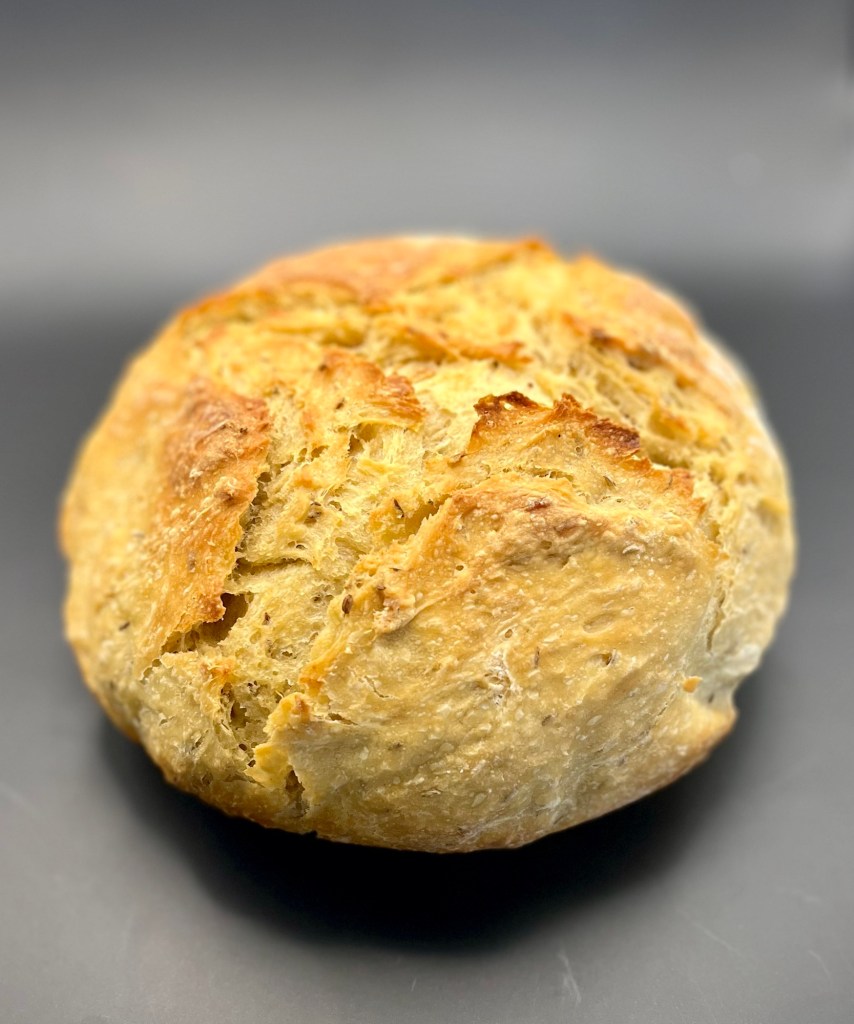
I had some white rye flour in the cupboard and wanted to use it so… I gathered advice from a number of different websites to create this bread. It met my goal of a soft crumb, mild, rye bread with a nice firm crust. (To be fair, I have 20 different flours in my cupboards.)
This is my first attempt at creating (for the most part) a recipe and method to make bread. I am very pleased with the result.
With my first bite, I realized this would make a great template (a breadboard if you will) to experiment with other flours. As I said, I have a few to choose from including rye, whole wheat, pumpernickel and a variety of other wheat flours. This will make for hours and hours of baking enjoyment .
White Rye Rustic Bread
INGREDIENTS • 384g (3 c) bread or all-purpose flour • 96g (1 c) white rye flour. (This flour is very dense, so 1 c weighs less that other flours} • 10g (2 tsp) kosher salt • 10g (2 tsp) instant yeast • 9g (1 Tbl) caraway seeds • 395g (1 ¾ c) lukewarm water • 42g (2 Tbl) honey (or maple syrup) • 28g (2 Tbl) extra-virgin olive oil, divided • 2 Tbl Bread and Cake Enhancer
METHOD
In a large bowl, whisk together the flours, salt, instant yeast, and caraway seeds. In a medium bowl, whisk together the water and the honey until the honey is dissolved.
Add to the flour, followed by 1 tablespoon of the oil. Using a rubber spatula or Dutch dough whisk, mix until the liquid is absorbed, and the flour is all moistened and the dough form a sticky mass.
Cover the bowl with plastic wrap and set aside in a warm spot to rise for 2 to 3 hours, until the dough has doubled in volume.
Line a brotform with parchment paper. It helps if you crumple the parchment paper into a small ball, then smooth it out and fit it to the brotform.
When the dough has doubled, drizzle the remaining 1 Tbl of olive oil over the top and use your hand to rub the oil over the surface to coat. Use your hand again to release the dough from the sides of the bowl, then flip the ball over so that the oil side is down. Pour dough out of bowl onto a lightly floured counter. Form a boule, tensioning the surface as you shape.
Preheat the oven and Dutch oven to 400ºF.
Place the boule in the parchment paper lined round brotform and let it rise for 45 minutes until the finger punch test indicates it is proofed.
Transfer the Dutch oven to the oven and bake for 30 minutes,
After 30 minutes remove the cover and bake an additional 15 minutes, or until internal temperature is 205ºF) or until the top is evenly browned.
Remove the pan from the oven and Dutch oven and carefully lift the loaf by the parchment paper out onto a cooling rack.
Let the loaf cool for at least 30 minutes before slicing.
I know I post a lot of breads and I know I often say one bread is my favorite, but this is the first time I said “Oh My!” when I took the first bite, as this bread really is Oh My!
I have several artisan bread recipes and this may be my new favorite (until another comes along.)
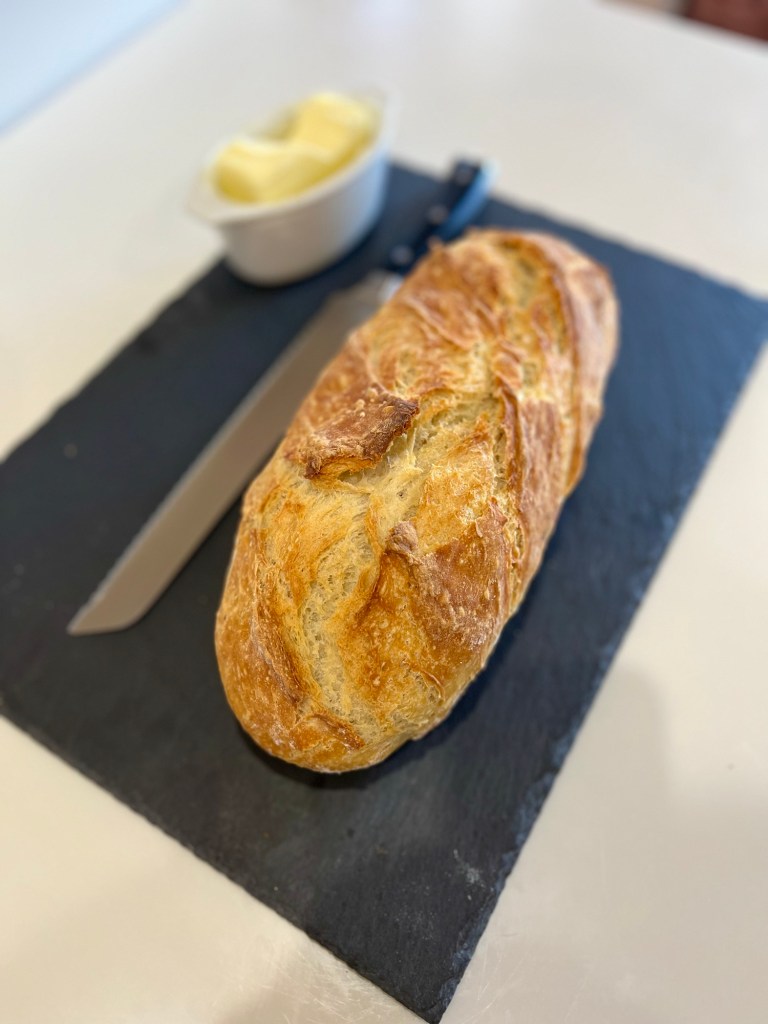
Artisan bread refers to any properly prepared, fermented, and shaped hand-crafted bread. Fermenting the properly mixed ingredients to optimize the chemical reactions and then baking at the proper temperature for the correct time yields a crisp, nicely browned crust and great, chewy interior. Artisan bread contains carefully controlled amounts of flour, yeast, salt and water. That’s it (unless you want to add some flavorings or herbs or maybe even some olives, yumm.)
INGREDIENTS • 3 ¾ cups bread flour divided (450 grams) • 2 ¼ teaspoons instant yeast • 1 ¾ teaspoons kosher salt (10 grams) • 1 ½ cups warm water between 120°F and 130°F (360 grams)
METHOD
In a large mixing bowl, whisk the flour, yeast, and salt to combine. Stir in water with a Dutch whisk until the mixture is very sticky, and no lumps of flour remain. Cover and place in a warm, draft-free area until doubled in size, about 1 ½ to 2 hours.
Alternatively, for an overnight rise: After mixing the dough, cover and refrigerate until doubled in size. This will take about 8 hours but will keep in the fridge up to 24 hours total.
Preheat the oven to 450°F. Place a large Dutch oven with a lid in the oven for at least 30 minutes.
If refrigerated, remove the dough from the refrigerator and let rest at room temperature for 15 minutes.
Instead of traditional kneading, use lightly floured hands, reach down one side of the dough to the bottom of the bowl, pull up, and stretch the edge of the dough over the center toward the opposite side. Turn the bowl 90 degrees and repeat the folding and turning, working in a circle around the dough until the dough starts to hold its shape, about 8 to 10 rotations. Pinch any seams together at the center of the dough ball.
Turn out the dough onto a lightly floured surface, placing it seam side down. Shape into a round loaf or batard for a long loaf. Transfer the dough onto parchment paper and sprinkle it with flour. Loosely cover with plastic wrap or a tea towel for 10 minutes.
Using a sharp knife or bread lame, cut a slit about ¼-inch deep across the top of the dough. Very carefully place the dough with the parchment paper directly into the preheated Dutch oven. Cover with the lid.
Bake for 30 minutes. Remove the lid and bake until deeply golden brown, about 15 to 17 minutes more. Carefully remove the bread from the Dutch oven using the parchment paper to help, and place on a wire rack to cool for at least 20 minutes before slicing
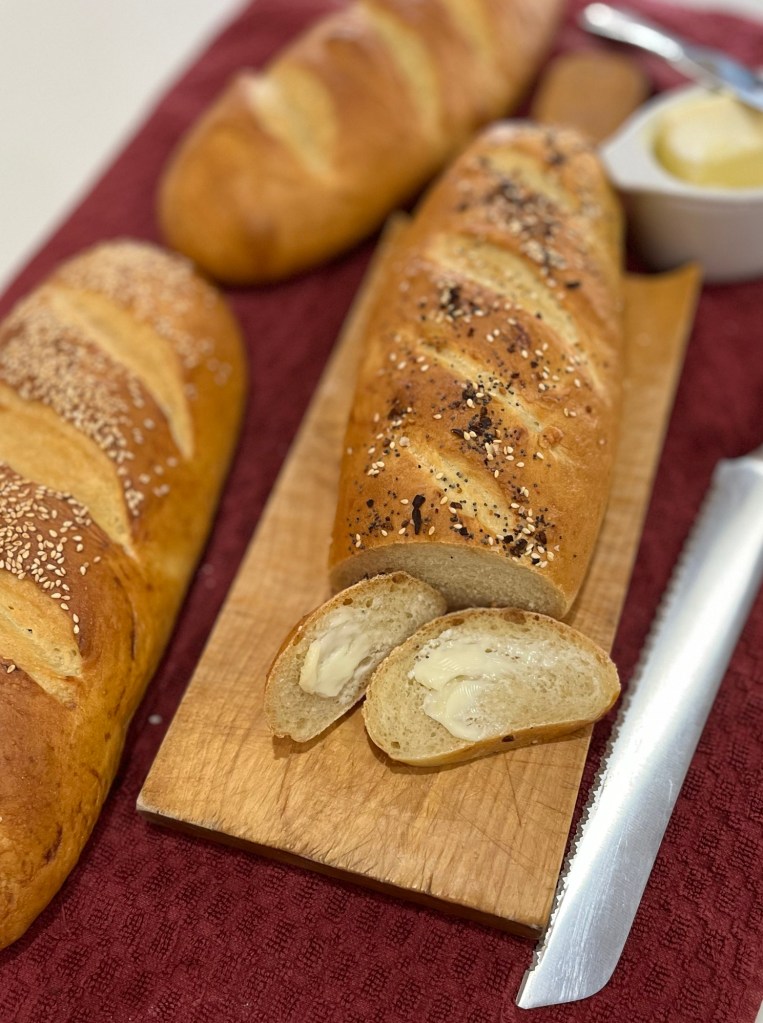
The recipe I used for the bread soup bowls is so versatile I also used it to make a pizza crust and these loaves of bread. For variety, I added some sesame seeds to one and bagel everything seasoning to another. One poor loaf was left plain. I did add some steam to the bake to increase the chewiness of the crust. It was delicious.
Homemade Bread Bowls
INGREDIENTS • 4 ½ teaspoons active dry yeast • 2 ¼ cups (540ml) warm water (110°F – 115°F) • 2 tsp granulated sugar • 2 tsp salt • 2 Tablespoons (30ml) olive oil • 780 g (6 c) bread flour • egg wash: 1 large egg beaten with 1 Tablespoon water or milk
METHOD
Pour the warm water over yeast in the bowl of a stand mixer fitted with a dough hook attachment. Cover the bowl with a towel. The mixture should be frothy and foamy after 5 minutes.
With the stand mixer running on low speed, add the sugar, salt, olive oil, 4 cups of bread flour, and seasonings. Beat on low speed for 1 minute, then add remaining 2 cups of flour.
Keep the dough in the mixer and knead for an additional 5-6 full minutes. If the dough becomes too sticky during the kneading process, sprinkle 1 teaspoon of flour at a time on the dough or on the work surface/in the bowl to make a soft, slightly tacky dough. Do not add more flour than you need because you do not want a dry dough. After kneading, the dough should still feel a little soft.
Turn it out onto a lightly floured surface and form into a ball. Then place into a large, greased bowl, turning once to grease the top. (I just use the same mixing bowl—remove the dough, grease it with nonstick spray or olive oil, put the dough back in.) Cover the bowl with plastic wrap and place it in a warm environment to rise until doubled, about 90 minutes. Poke it with your finger—if it slowly bounces back, your dough is ready to rise.
Once doubled in size, punch down the dough to release any air bubbles. Remove dough from the bowl and turn it out onto a lightly floured surface. Punch down again to release any more air bubbles if needed.
Using a sharp knife or dough scraper, cut into 6 even pieces. Form each into a large ball.
Line 2 large baking sheets with parchment paper or silicone baking mats. Place 3 dough balls onto each. Cover lightly and set aside to rest for 20 minutes as the oven preheats.
Preheat oven to 400°F (204°C). Brush each dough ball with egg wash and, using a sharp knife, score an X into the tops of each.
Bake for 30 minutes or until golden brown. For a more accurate test for doneness, the bread bowls are done when an instant-read thermometer reads the center as 195°F (90°C).
Cool until ready to handle. The longer you cool, the easier they are to cut open. For serving, cut a large round out of the top of each bread bowl. Scoop out the center (save the center to dunk into soup!) and fill with soup.
Cover and store leftover bread bowls at room temperature for a couple days or in the refrigerator for 1 week. You can also freeze the baked bread bowls for up to 3 months, then thaw overnight in the refrigerator. Bring to room temperature before serving.
Make Ahead Instructions: After dough has risen in step 3, punch down the dough inside the mixing bowl and cover the bowl tightly with plastic wrap. Refrigerate overnight or for up to 2 days, then remove from the refrigerator and continue with step 4. OR freeze for up to 2 months, then allow to thaw overnight in the refrigerator and continue with step 4.
Pizza Dough: Makes 4 12-inch pizza crusts, which is likely more than you need, but you can freeze half of the dough for later. Prepare dough through step 4. Instead of forming into 6 balls in step 5, divide the dough in half. Freeze half of the dough for later use (see make ahead tip) and form the other half into 2 large balls. Cover lightly and set aside to rest for 20 minutes. Flatten each ball of dough 1 at a time on a lightly floured surface or on a silicone baking mat. You could also do this directly on your greased pizza pan. Flatten and stretch into a 12-inch round circle. Brush with a little olive oil (no need for egg wash). Add toppings and bake in a super hot oven at 475°F (246°C). Pizzas typically take 12-15 minutes.
Crusty Bread Loaves: Makes about 3 loaves of crusty bread. Prepare dough through step 4. Instead of forming into 6 balls in step 5, divide the dough into 3 pieces. You can freeze 1 or 2 pieces for later use (see make ahead tip). Round into a ball as best you can and place onto a lined baking sheet. Cover lightly and set aside to rest for 30 minutes. The dough will spread out a bit. Brush with egg wash, score with an X, and bake at 400°F (204°C) for 30 minutes or until the tops and edges are golden brown.
I gotta stop reading all those recipes on Facebook! It’s just they look so appetizing.😒
These french bread rolls are a basic bread dough, slightly enriched by 20 g of butter. They was easy to make and only required 2 1/2 hours of elapsed time and 30 minutes of hands on. Next time I may form the logs and batards a little longer. These were 6” and I think 7” might be better.
In any event, they were flavorful, had a good crust and crumb.
Dough • 380g AP flour • 10g Sugar • 7g Salt (1 ½ tsp) • 20g Unsalted butter • 210g Cold water
METHOD Starter
Mix 40g water with 7g yeast, stir to mix
Add 35g bread flour, mix thoroughly then cover and set aside for 20 minutes Bread dough
In a large bowl mix 380g AP flour and 10g sugar, mix thoroughly
Add 210g cold water, sponge from above, and mix thoroughly
Knead the dough in the bowl for 2-3 minutes
Add 7g salt and continue to knead/mix for 2-3 minutes
Cover and let rest 20 minutes
Transfer dough to a floured counter and spread into a thick rectangle
Spread 20g room temperature butter over the rectangle
Knead until smooth 8-10 minutes
Cover and rest 20 minutes
Transfer to a floured counter and divide into 6 equal parts, each ~120g
Spread into a rough circle 5-6” diameter. Fold edges to center in 6 places, fold together and form a ball.
Roll ball against the counter with an open cupped hand to tension the surface
Roll into an oval log ~ 5×2”, cover and rest 20 minutes
Flatten log and roll into an oval ~ 4×7”. Starting at the furthest short end fold the “shoulders” inward toward the center, followed by folding the top center down to meet the folded shoulders. Repeat until fully rolled up
Pinch the seams, including the ends tightly together, roll back and forth under a cupped hand to tension the surface
Rest until doubled in size
Score each batard with a razor, lame or sharp knife. One long cut the length of the batard with a very slight curve
From a special request from QC, here is a first time bread for me: Sheepherders Bread.
During the California Gold Rush, Basque immigrants in the Owen’s Valley missed their home country’s bread. The loaves were hand shaped and baked in stone ovens. They still do so in bakeries where this traditional bread is produced.
I, on the other hand, used a stand mixer to mix and knead the bread and a built-in oven to bake it. Time rolls on.
I changed the measurements to grams from volume, because that is who I am. I also divided the dough into two loaves after proofing. This made it easier to distribute the finished bread to my QC Cadre (neighbors.) Also, this bread is enormous and I don’t have a baking vessel large enough to handle it.
Sheepherders Bread AP Flour
INGREDIENTS • 708 g (3 c) water (110 -120⁰F) • 112 g (½ c) butter or ½ cup shortening • 67 g (1/3 c) sugar • 15 g (2 ½ tsp) salt • 13.5 g (4 ½ tsp) active dry yeast • 1330 g (9 ½ c) AP unsifted
METHOD
In a bowl, combine water, butter, sugar and salt. Stir until butter melts and cool to 110-115⁰ F. Stir in yeast, cover and set in warm place until bubbly, about 15 minutes.
Add 700 g (5 cups) flour and beat to form thick batter. Stir in enough of remaining flour (about 490g or 3 ½ cups) to form stiff dough. Turn out on floured board and knead until smooth and elastic (about 10 minutes), adding flour as needed to prevent sticking.
Turn dough into greased bowl, cover and let rise in warm place until doubled, about 1 ½ hours. Punch down and knead to form smooth ball.
Grease inside of dutch oven and inside of lid with olive oil. Place dough in dutch oven and cover with lid to let rise in a warm place for ~30 min, until dough pushes up lid about ½ inch (watch closely).
Bake covered with lid in 375⁰ F oven for 12 minutes, carefully remove lid and bake for another 30 to 35 minutes, or until loaf is golden brown and sounds hollow when tapped. Remove from oven and turn out on rack to cool.
A friend of ours and I are planning a Soup & Bread dinner with a variety of each. I always experiment with new bread recipes before allowing them to leave my kitchen. (Of course, that means QC and I have lots of bread on hand.)
Today I used the versatile bread bowl recipe to make garlic knots and garlic cheese breadsticks. While at it I made a batard of sandwich bread, AND while all that was rising I completed my bread tour of Europe with a loaf of Irish Soda Bread. (Blushing, all were amazing!)
To make the batard I used half the recipe and formed it into a loaf. I used one fourth of the recipe to make the knots and the rest to make the breadsticks.
Roasted Garlic Breadsticks
INGREDIENTS DOUGH • 2 cups (250g) all-purpose flour • 1 teaspoon Platinum Yeast • 1 teaspoon granulated sugar • 1 teaspoon table salt • 2/3 cup (155ml) lukewarm water (90-100°F) • 1 tablespoon olive oil • 1 egg and 1 Tbl milk, mixed for egg wash FOR THE FILLING: • 1 head of garlic • 3 tablespoons olive oil (divided) • 1 cup (100g) shredded mozzarella cheese • 1/4 cup (15g) grated Parmesan cheese
METHOD
In a large mixing bowl with dough hook attachment, combine flour, sugar, salt and yeast. Add water and mix on low speed until the dough comes together. (Alternatively, you can make this dough by hand.)
Once the dough starts coming together, add olive oil and knead for 2-3 minutes on medium speed. If kneading by hand, knead for 5 minutes. The dough should be soft and slightly sticky.
Drizzle a little bit of oil into the bowl and coat the dough. Cover with a kitchen towel and place in warm place to rise for 1-2 hours, or until doubled in size.
Preheat the oven to 400°F (200°C).
Cut the top of the garlic head, exposing the garlic cloves, and place it in the middle of aluminum foil cut side up. Drizzle 1 tablespoon of olive oil and wrap the garlic. Roast for 45-75 minutes, or until the garlic is golden and soft. Start checking it after 45 minutes, at this point it should be ready, but for more color and flavor, continue to roast for another half hour.
Once the garlic is roasted, cool it slightly and squeeze garlic cloves out. Press through garlic press into a small bowl and mix with remaining 2 tablespoons of olive oil.
On a floured surface, roll the dough into 10×12-inch (25x30cm) rectangle.
Spread the garlic-olive oil all over the dough.
Sprinkle about half of mozzarella and Parmesan cheeses over dough.
Fold the short side of the dough over so that cheeses are covered. The rectangle should now be 5×12 inches. Cut the dough into 12 strips.
Twist each strip and arrange them on a baking sheet lined with a silicone mat or parchment paper.
Egg wash then sprinkle remaining cheese over the breadsticks. Cover with a kitchen towel and rest for at least 30 minutes to rise.
Bake for 20-25 minutes, or until golden brown.
Homemade Garlic Knots
INGREDIENTS DOUGH • 1 1/3 cups (320ml) warm water (100-110°F / 38-43°C) • 1 (0.25oz) package (7g) or 2 1/4 teaspoons yeast • 1 tablespoon (13g) granulated sugar • 2 tablespoons (30ml) olive oil • 3/4 teaspoon salt • 3 1/2 cups (420g) all-purpose flour TOPPING • 5 tablespoons (70g) unsalted butter (melted) • 3 garlic cloves (minced, or 1/2 teaspoon garlic powder) • 1 teaspoon Italian Seasoning (see notes) • 1/4 teaspoon table salt • 1/4 cup canned or freshly grated Parmesan cheese • 2 tablespoons chopped fresh parsley (optional, after baking)
METHOD
Prepare the dough: Whisk the warm water, yeast, and granulated sugar together in the bowl of your stand mixer fitted with a dough hook or paddle attachment. Cover and allow to rest for 5 minutes.
Add the olive oil, salt, and half of the flour. Beat for 15 seconds, then add the remaining flour. Beat on low speed for 2 minutes. Turn the dough out onto a lightly floured surface. With lightly floured hands, knead the dough for 3-4 minutes, until the dough is soft and elastic. The dough can be a little too heavy for a mixer to knead it, but you can certainly use the mixer on low speed instead. After kneading, the dough should still feel a little soft. Poke it with your finger – if it slowly bounces back, your dough is ready to rise. If not, keep kneading.
Lightly grease a large bowl with oil or nonstick spray– just use the same bowl you used for the dough. Place the dough in the bowl, turning it to coat all sides in the oil. Cover the bowl with aluminum foil, plastic wrap, or a clean kitchen towel. (See notes for overnight option) Allow the dough to rise at room temperature for 1-2 hours or until double in size. Poke index finger into the dough, down to the second knuckle; if the indent remains after removing finger, dough has risen enough.
Shape the dough: When the dough is ready, punch it down to release the air. Using floured hands on a lightly floured work surface, shape the dough into a 16×5-inch log. Using a very sharp knife, pizza cutter, or bench scraper, slice into 16 1-inch strips. Roll each strip into 8-inch ropes. Tie each into knots. You can tuck the two ends of the knots underneath the knot or leave them out, that’s up to you. Arrange the knots on the baking sheets.
Lightly cover the shaped knots and let them rest for at least 30 minutes and up to 45 minutes. They will slightly puff up during this time. Lightly touch the dough with index finger, if indent remains then dough is ready to be baked.
Preheat oven to 400°F (204°C). Line two large baking sheets with parchment paper or silicone baking mats.
Topping: Stir the melted butter, garlic, Italian seasoning, and salt together. Brush on the knots. Reserve some of the topping for when the knots come out of the oven.
Bake for about 18-23 minutes or until golden brown on top. Remove from the oven and brush the warm knots with remaining garlic butter. Sprinkle with Parmesan cheese and/or parsley, if using.
Serve plain or with marinara sauce for dipping.
Cover and store leftover knots at room temperature for up to 2 days or in the refrigerator for up to 1 week. Freeze baked and cooled knots for up to 3 months. Thaw on the counter, then reheat as desired.
Homemade Versatile Bread
INGREDIENTS • 4 ½ teaspoons active dry yeast • 2 ¼ cups (540ml) warm water (110°F – 115°F) • 2 tsp granulated sugar • 2 tsp salt • 2 Tablespoons (30ml) olive oil • 780 g (6 c) bread flour • egg wash: 1 large egg beaten with 1 Tablespoon water or milk
METHOD
Pour the warm water over yeast in the bowl of a stand mixer fitted with a dough hook attachment. Cover the bowl with a towel. The mixture should be frothy and foamy after 5 minutes.
With the stand mixer running on low speed, add the sugar, salt, olive oil, 4 cups of bread flour, and seasonings. Beat on low speed for 1 minute, then add remaining 2 cups of flour.
Keep the dough in the mixer and knead for an additional 5-6 full minutes. If the dough becomes too sticky during the kneading process, sprinkle 1 teaspoon of flour at a time on the dough or on the work surface/in the bowl to make a soft, slightly tacky dough. Do not add more flour than you need because you do not want a dry dough. After kneading, the dough should still feel a little soft. Poke it with your finger—if it slowly bounces back, your dough is ready to rise.
Turn it out onto a lightly floured surface and form into a ball. Then place into a large, greased bowl, turning once to grease the top. (I just use the same mixing bowl—remove the dough, grease it with nonstick spray or olive oil, put the dough back in.) Cover the bowl with plastic wrap and place it in a warm environment to rise until doubled, about 90 minutes.
Once doubled in size, punch down the dough to release any air bubbles. Remove dough from the bowl and turn it out onto a lightly floured surface. Punch down again to release any more air bubbles if needed.
Using a sharp knife or dough scraper, cut into 6 even pieces. Form each into a large ball.
Line 2 large baking sheets with parchment paper or silicone baking mats. Place 3 dough balls onto each. Cover lightly and set aside to rest for 20 minutes as the oven preheats.
Preheat oven to 400°F (204°C). Brush each dough ball with egg wash and, using a sharp knife, score an X into the tops of each.
Bake for 30 minutes or until golden brown. For a more accurate test for doneness, the bread bowls are done when an instant-read thermometer reads the center as 195°F (90°C).
Cool until ready to handle. The longer you cool, the easier they are to cut open. For serving, cut a large round out of the top of each bread bowl. Scoop out the center (save the center to dunk into soup!) and fill with soup.
Cover and store leftover bread bowls at room temperature for a couple days or in the refrigerator for 1 week. You can also freeze the baked bread bowls for up to 3 months, then thaw overnight in the refrigerator. Bring to room temperature before serving.
Make Ahead Instructions: After dough has risen in step 3, punch down the dough inside the mixing bowl and cover the bowl tightly with plastic wrap. Refrigerate overnight or for up to 2 days, then remove from the refrigerator and continue with step 4. OR freeze for up to 2 months, then allow to thaw overnight in the refrigerator and continue with step 4.
Pizza Dough: Makes 4 12-inch pizza crusts, which is likely more than you need, but you can freeze half of the dough for later. Prepare dough through step 4. Instead of forming into 6 balls in step 5, divide the dough in half. Freeze half of the dough for later use (see make ahead tip) and form the other half into 2 large balls. Cover lightly and set aside to rest for 20 minutes. Flatten each ball of dough 1 at a time on a lightly floured surface or on a silicone baking mat. You could also do this directly on your greased pizza pan. Flatten and stretch into a 12-inch round circle. Brush with a little olive oil (no need for egg wash). Add toppings and bake in a super hot oven at 475°F (246°C). Pizzas typically take 12-15 minutes.
Crusty Bread Loaves: Makes about 3 loaves of crusty bread. Prepare dough through step 4. Instead of forming into 6 balls in step 5, divide the dough into 3 pieces. You can freeze 1 or 2 pieces for later use (see make ahead tip). Round into a ball as best you can and place onto a lined baking sheet. Cover lightly and set aside to rest for 30 minutes. The dough will spread out a bit. Brush with egg wash, score with an X, and bake at 400°F (204°C) for 30 minutes or until the tops and edges are golden brown.
This bread concludes my tour or Europe. I previously made this bread but this time I made some modifications to the method, and I am not sure it worked.
First, I cut the butter into the flour using a food processor. I use this method for scones so thought I would give it a try. The result seemed ok, but the rise wasn’t what I wanted.
Second, I used the “alternative” to buttermilk by mixing 1 tablespoon of lemon juice to 1 3/4 cups of milk Previously I cut the butter in by hand and used store bought buttermilk.
This loaf did not rise like the previous. Oh well, try, try again, I guess.
Current LoafPrevious Loaf
Irish Soda Bread
INGREDIENTS • 1 and 3/4 cups (420ml) buttermilk* • 1 large egg (optional, see note) • 4 and 1/4 cups (531g) all-purpose flour (spooned & leveled), • 3 Tablespoons (38g) granulated sugar • 1 teaspoon baking soda • 1 teaspoon salt • 5 Tablespoons (71g) unsalted butter, cold and cubed* • optional: 1 cup (150g) raisins
METHOD
Preheat oven & pan options: Preheat oven to 400°F (204°C). Bake in a seasoned 10–12-inch cast iron skillet (no need to preheat the cast iron unless you want to).
Whisk the buttermilk and egg together. Set aside.
Whisk the flour, granulated sugar, baking soda, and salt together in a large bowl. Cut in the butter using a pastry cutter, a fork, or your fingers. Mixture is very heavy on the flour but do your best to cut in the butter until the butter is pea-sized crumbs.
Stir in the raisins. Pour in the buttermilk/egg mixture. (*Adding all of the mixture yielded an overly wet dough. Try reserving ½ cup, adding more as necessary.) Gently fold the dough together until dough it is too stiff to stir.
Pour crumbly dough onto a lightly floured work surface. With floured hands, work the dough into a ball as best you can, then knead for about 30 seconds or until all the flour is moistened. If the dough is too sticky, add a little more flour.
Transfer the dough to the prepared skillet. Using a very sharp knife or bread lame, score the dough with a slash or X about 1/2 inch deep. (“Score” = shallow cut.)
Bake until the bread is golden brown, and center appears cooked through, about 45-55 minutes. Loosely tent the bread with aluminum foil if you notice heavy browning on top. The bread is done when an instant read thermometer reads the center of the loaf as 195°F.
Remove from the oven and allow bread to cool for 10 minutes, and then transfer to a wire rack. Serve warm, at room temperature, or toasted with desired toppings/spreads.
Cover and store leftover bread at room temperature for up to 2 days or in the refrigerator for up to 1 week. We usually wrap it tightly in aluminum foil for storing. NOTES
Freezing Instructions: Baked and cooled bread freezes well up to 3 months. Freeze the whole loaf or individual slices. Thaw in the refrigerator or at room temperature, then reheat as desired.
Special Tools (affiliate links): Cast Iron Skillet, 9-Inch Round Cake Pan, 9-Inch Pie Dish, Dutch Oven, or Baking Sheet with Silicone Baking Mat or Parchment Paper | Glass Mixing Bowl | Whisk | Pastry Cutter | Instant Read Thermometer
Baking Pan: There are options for the baking pan (see Special Tools Note above). You can use a lined large baking sheet (with or without a rim), a seasoned 10-12 inch cast iron skillet, or a greased or lined 9-10 inch cake pan or pie dish. I don’t recommend a loaf pan because the loaf may not bake evenly inside. This dough is best as a flatter loaf.
Buttermilk: Using cold buttermilk is best. Buttermilk is key to the bread’s flavor, texture, and rise. The bread will not rise without it. If you don’t have any buttermilk on hand, you can make a homemade “DIY” version. Whole milk or 2% milk is best, though lower fat or nondairy milks work in a pinch. Add 1 Tablespoon of lemon juice or white vinegar to a liquid measuring cup. Add enough cold milk to make 1 and 3/4 cups. Whisk together, then let sit for 5 minutes before using in the recipe.
Egg: 1 egg adds richness and density. Feel free to skip it to make a slightly lighter loaf. No other changes necessary, simply leave out the egg.
Cold Butter: The colder the butter, the less sticky the dough will be. Make sure it’s very cold, even frozen cubed butter is great.
Smaller Loaves: You can divide this dough up to make smaller loaves. The bake time will be shorter, depending how large the loaves are. An instant read thermometer will be especially helpful. Bake the loaves until an instant read thermometer reads the center of the loaf as 195°F (90°C).