Dave Oney was born mid last century in Middlebury, Vermont. He received his BS in Chemistry and worked as a polymer chemist in Massachusetts and New Jersey. He became a microscopist (someone who studies little bitty things using a microscope) and photomicrographer (someone who photographs little bitty things) before settling into a 35-year career in technical sales of scientific imaging equipment (the science of digitally recording itty bitty things, sending the image to a computer for analysis.) He designed and created a number of products contributing to this field. He is (was) proficient in several computer languages and is currently working on mastering English.
After making a few more paradigm shift career changes Dave and his wife, Fran, retired and moved closer to their children and granddaughters and now live in the foothills of the Sierra Nevadas.
My neighbors went to Hawaii as the peaches on their tree were ripening, so they gave me a dozen peaches. It’s a shame they are missing some of their peach season but they are in Hawaii after all. I can’t feel too bad for them.
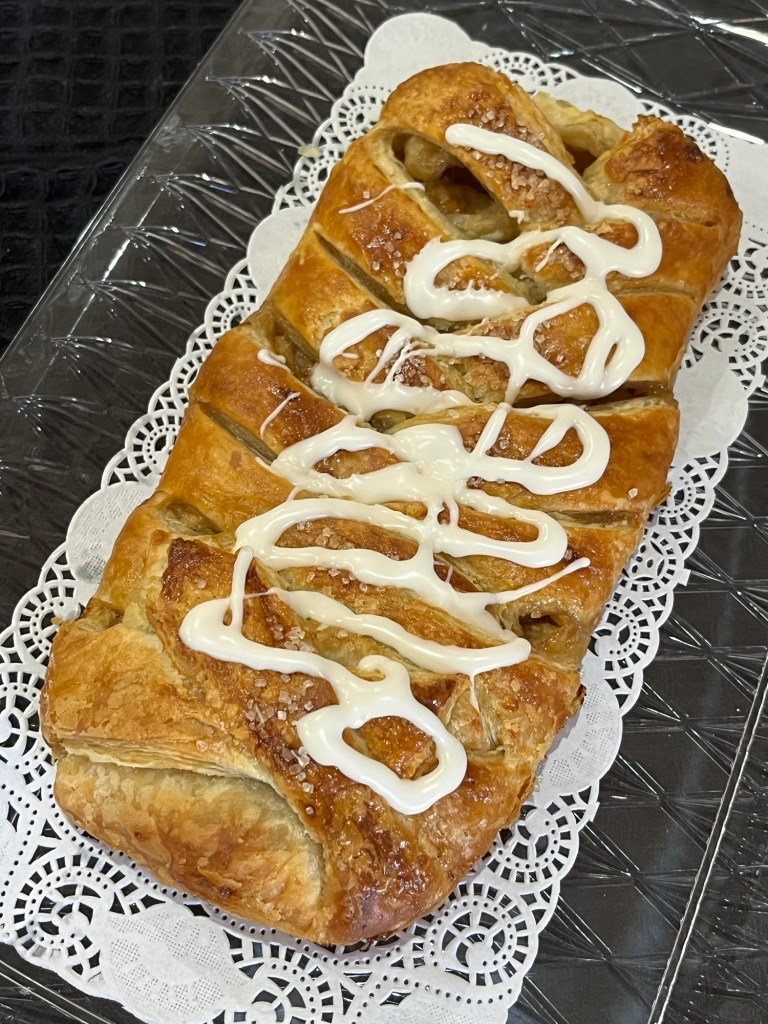
I studied several recipes to pick and choose the parts I wanted to create this pastry which would taste of fresh peach but not be soggy from all the peach juice.
I succeeded.
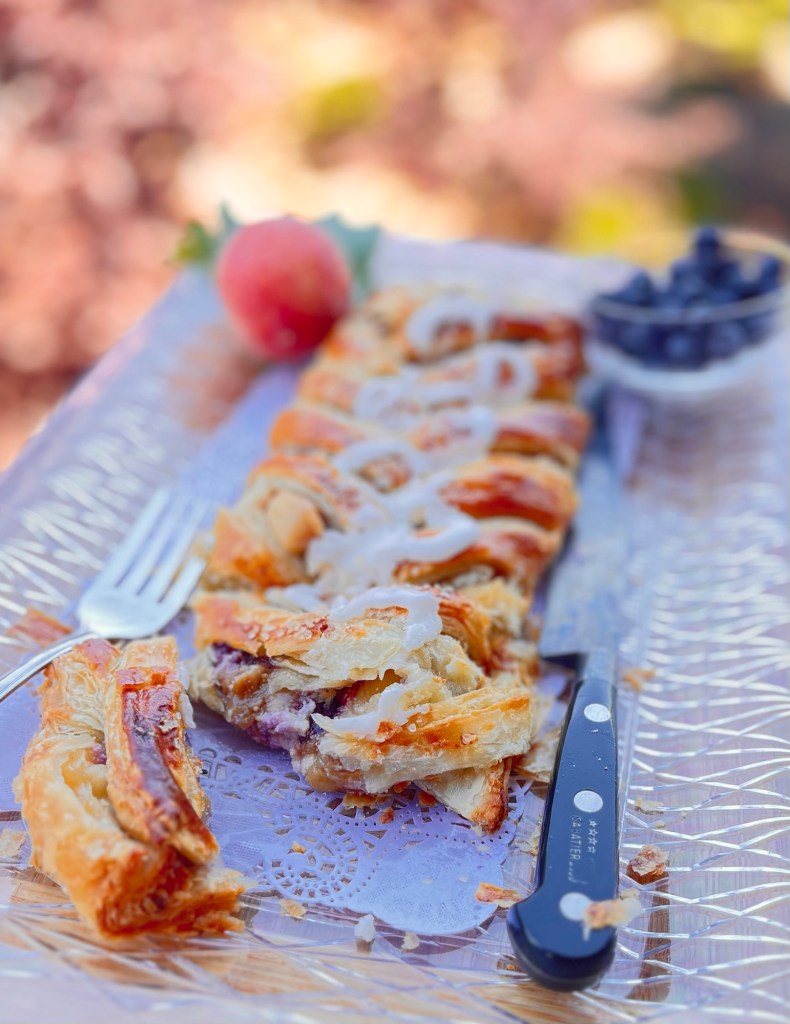
I made one with simple peach filling and a second one with a cream cheese/sugar paste and fresh blueberries along with the peach filling.
They were both delicious, crisp, and not soggy. The lemon/sugar drizzle added a touch of tartness to the sweet peaches.
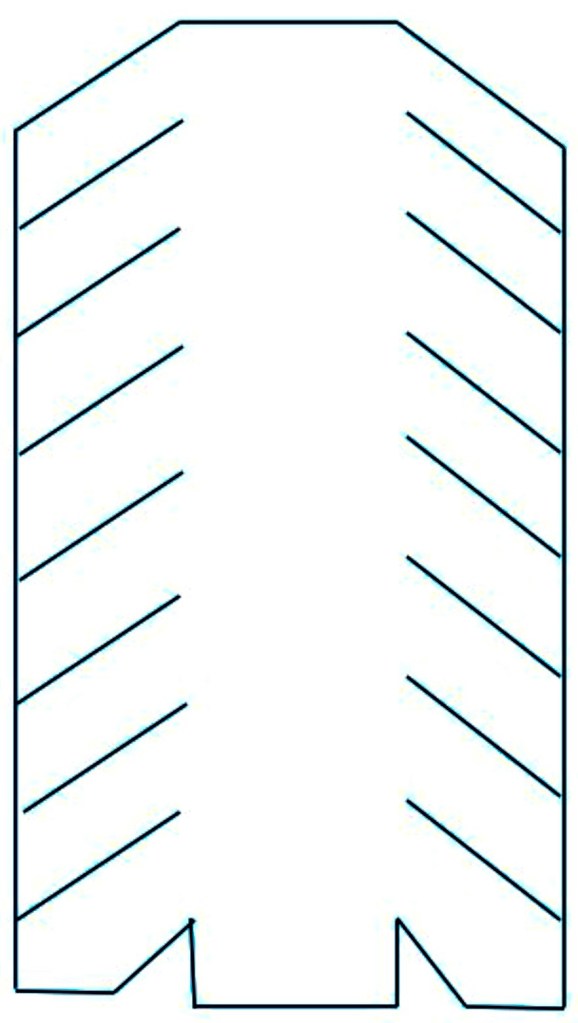
Double Click to see full template
I created a template to remember how to cut and fold the pastry. After filling the ends fold up and over the filling.
I am sorry I didn’t include weights in the measurements but I didn’t take notes as I was creating/inventing. The weights of everything are well known except the peaches. I also hope I didn’t miss anything. I don’t think so.
Fresh Peach Braided Puff Pastry
INGREDIENTS Pastry & Filling: • 1 sheet Sally’s puff pastry, thawed • 3–4 (1 c) fresh peaches, peeled and sliced • 1/3 c granulated sugar • 1/3 c brown sugar • 1 Tbl cornstarch • 1/8 tsp nutmeg • 1/2 tsp cinnamon Egg Wash & Glaze: • 1 whole egg + 1 tbsp water (whisked for egg wash) • 2 tsp coarse sugar (or turbinado/granulated) • 1/3 c powdered sugar + 3-4 tsp lemon juice (whisked for drizzle)
METHOD
Preheat oven to 400°F (200°C) and line a rimmed baking sheet with parchment paper. (It’s important to use a rimmed baking sheet or you will have to clean the oven as I did.)
In a small bowl mix the granulated sugar and cornstarch
In a medium saucepan , mix the sliced fresh peaches, brown sugar, nutmeg, and cinnamon, heat on low.
Add sugar and cornstarch mixture stirring to thoroughly combine, and continue heating until syrup thickens,
Remove from heat and drain in a fine mesh sieve to remove excess juice.
Unfold the thawed puff pastry sheet onto a lightly floured counter. Roll to 12″ x 14″.
(If including the cream cheese/sugar and blueberries spread the cream cheese mixture down the center of the pastry and place blueberries sparsely on top of it.)
Spoon the peach mixture down the center third of the pastry. Using a pizza cutter, make 1-inch diagonal cuts along both long sides of the dough (up to the edge of the peach filling).
Fold the strips over the filling, alternating left and right to create a crisscross braid effect. Pinch the top and bottom ends tightly to seal.
Transfer to a parchment paper lined, rimmed baking sheet
Brush the entire braid with your egg wash and sprinkle generously with coarse sugar. Bake for 25–30 minutes until golden brown.
Mix 1/3 cup of powdered sugar and 4 teaspoons of lemon juice. Adjust the amount of lemon juice
Let the braid cool for 15 minutes, then drizzle with the powdered sugar and lemon juice glaze.
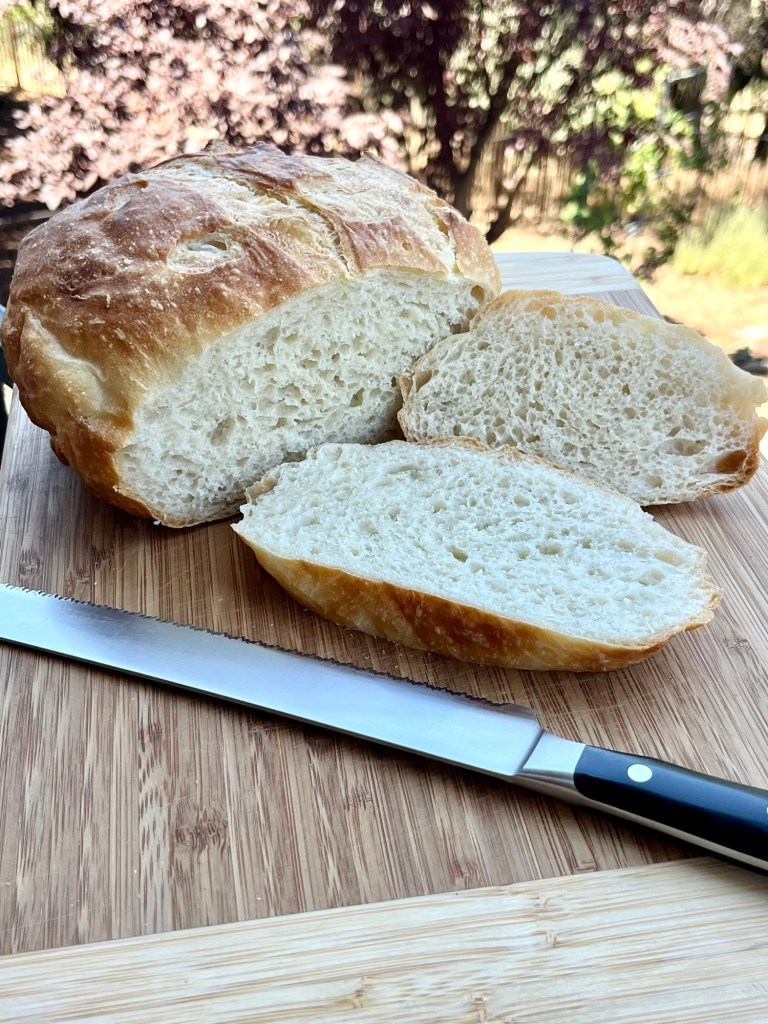
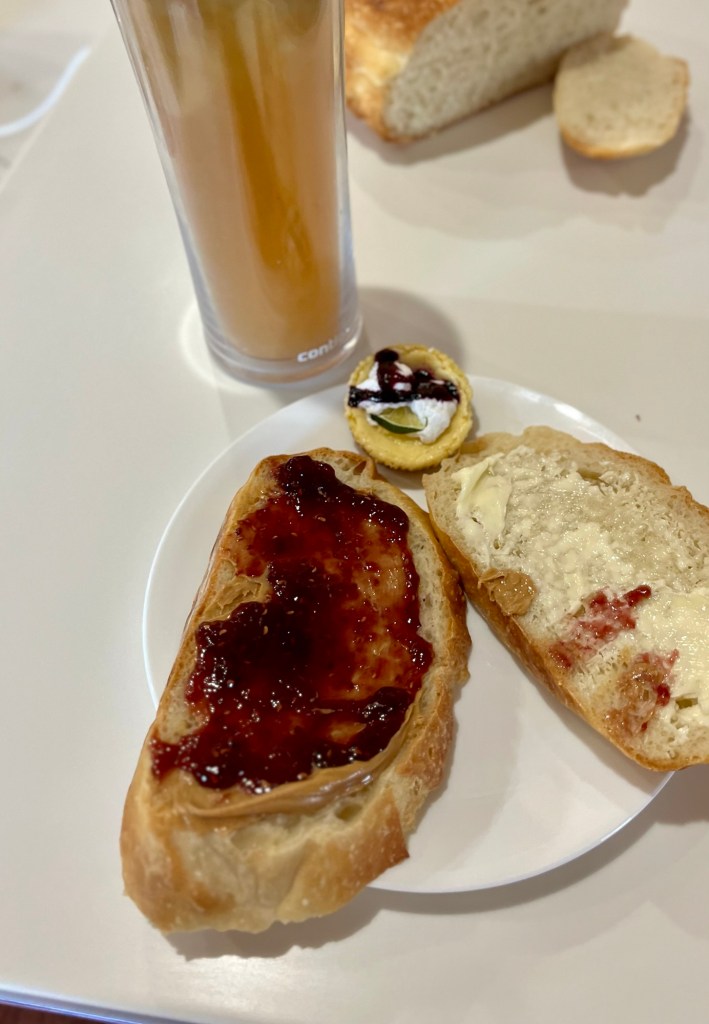
The artisan bread was still a bit warm at lunch time. I decided to make a PB&J sandwich with it. I know artisan bread should sandwich piles of lettuce, tomato, cucumbers and either meat or other veggies of your choice, but c’mon, I am talking FRESH bread with PEANUT BUTTER AND JELLY. It doesn’t get any better for me!
It’s only a “sandwich” after you add the two slices together.
In the background is Mr Arnold Palmer made with freshly squeezed lemons and sun tea and in the middle is one of the few surviving mini key lime pies. A lunch fit for… me!
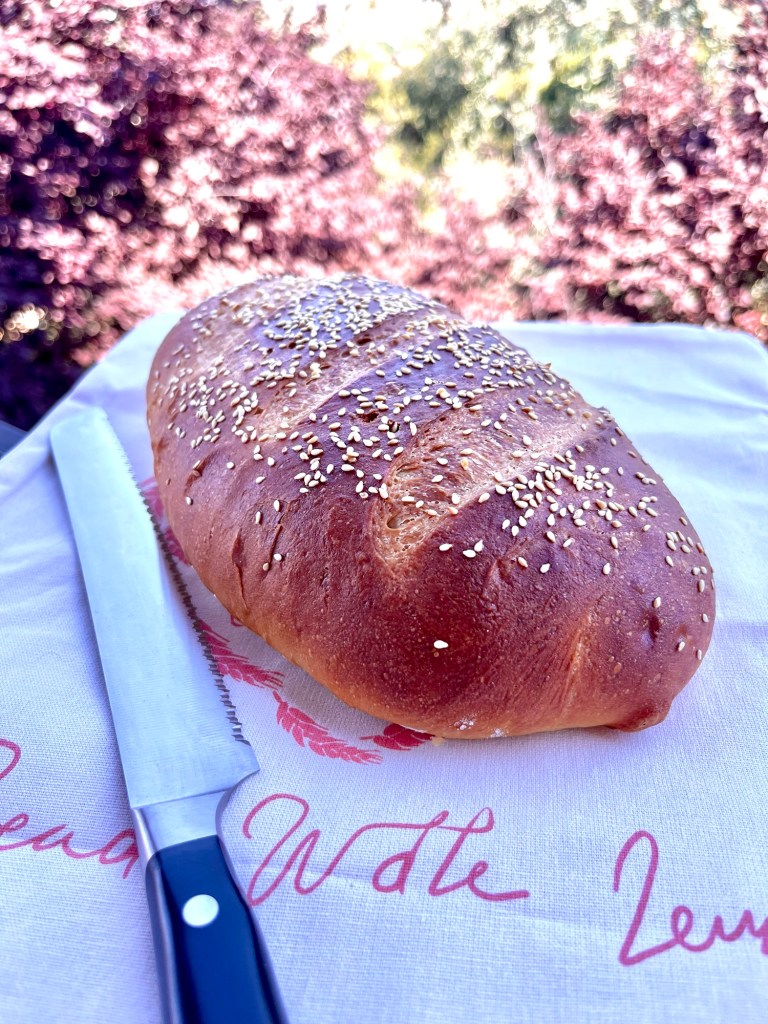
This bread hadn’t made an appearance in a while and to find out why, I made a loaf this morning. Unfortunately (?) it was very good which didn’t help me remember why I hadn’t made it in a year or so.
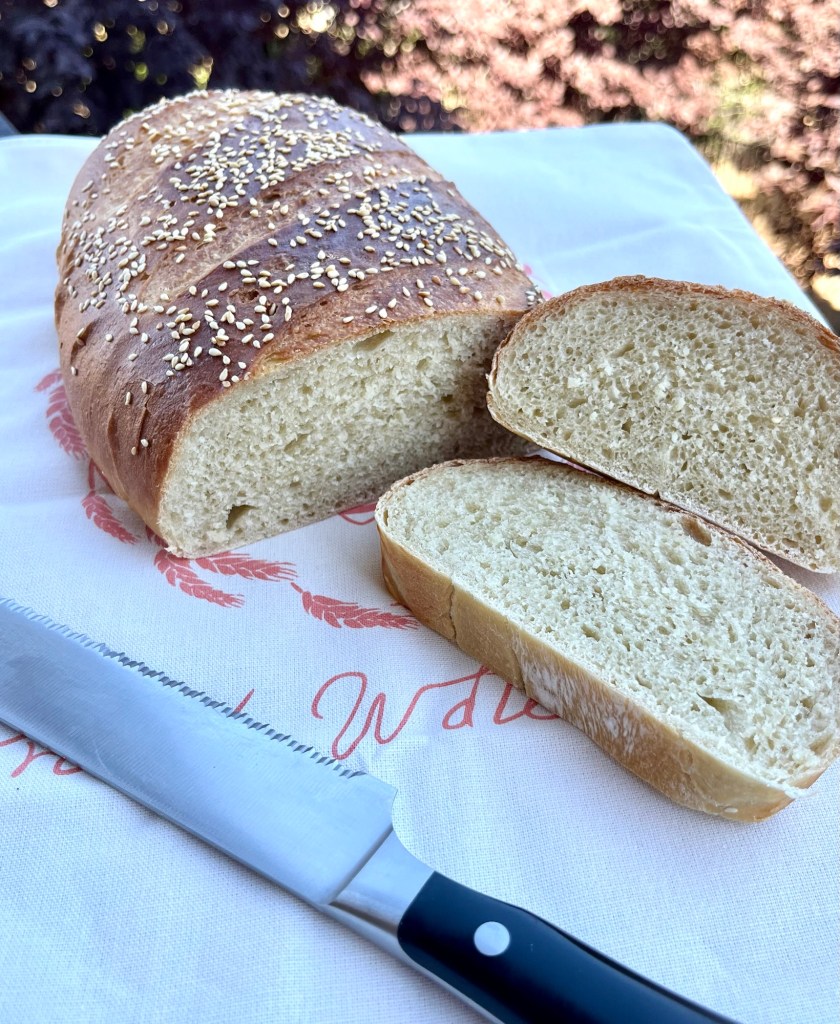
It has a nice crust and tight crumb, perfect for sandwiches. It’s similar to my go-to artisan bread with the exceptions of using AP flour plus a little brown sugar and olive oil. It can be mixed and kneaded in a stand mixer and has minimal fermentation and rise times.
The resulting bread is tasty, firm and worth making more often,
Crusty Italian Bread
INGREDIENTS • 314 g (1⅓ cups) warm water • 7 g (2¼ tsp) yeast • 16 g (1 Tbl) brown sugar • 18 g (1 Tbl) salt • 21 g (1½ tsp) olive oil • 500 g (~4 c) AP flour • 1 egg yolk for wash • 1 Tbl sesame seeds
METHOD
Combine warm water, yeast, and brown sugar in a stand mixer bowl, stir and let stand ~8-10 minutes until it begins activate
Add olive oil and salt, mix well. (Mixing and kneading can also be done in a stand mixer.)
Gradually add the flour and mix with a danish dough whisk until the sides and bottom of the bowl come clean.
Knead knead by hand for ~8 minutes until the dough is soft, smooth and not sticky. The dough should weigh ~865g
Cover the dough and let rise until doubled, ~30 minutes.
Punch it down, shape into an oval and book-fold into a boule
Tension by rolling back and forth with a cupped hand. Pinch seams and roll to smooth out.
Cover the loaf with a damp cloth and let it rise until doubled. ~20 min. Over-proofing will cause the loaves to flatten.
Preheat oven to 375ᵒF degrees.
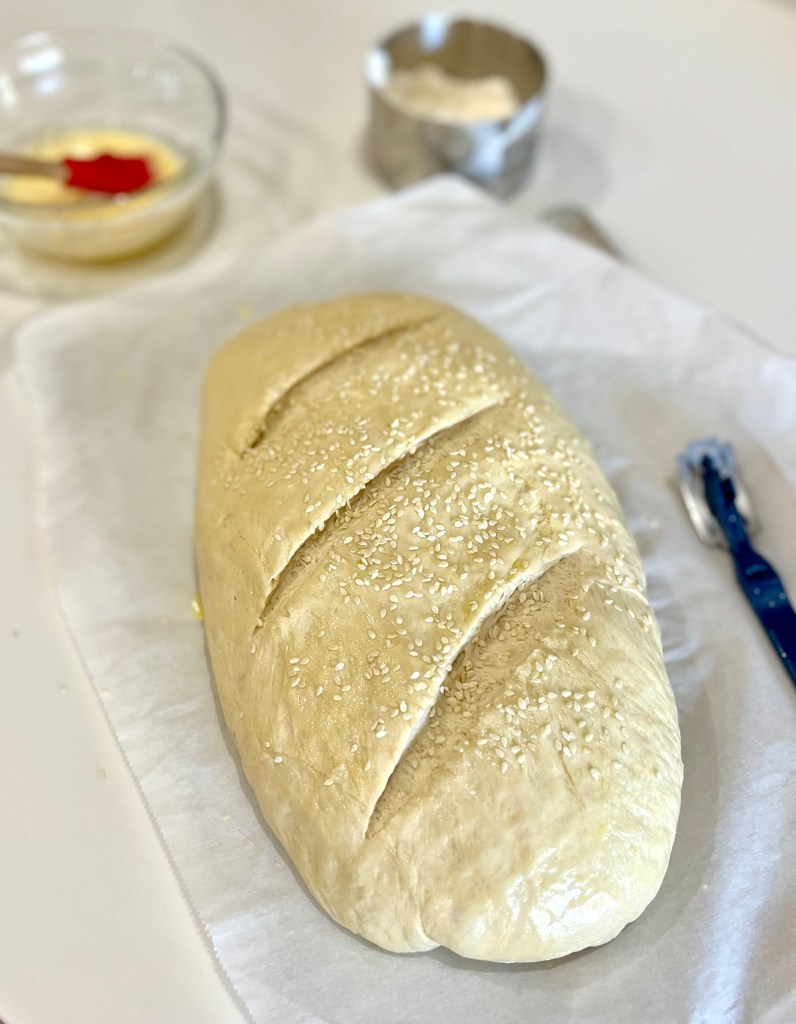
Brush top of loaf with an egg wash (1 egg yolk and 1 Tbl water)
Sprinkle top of loaf with sesame seeds (if desired)
Score with a few, quick, cuts diagonally across the loaf.
Pour 1 cup of hot water in a shallow pan on the rack underneath the bread in the oven.
After 20 minutes put an oven-safe digital thermometer into the loaf.
Continue baking for an additional 5-10 minutes (internal temp reaches 190ᵒF) or until the loaf turn golden brown and produces a hollow sound when tapped.
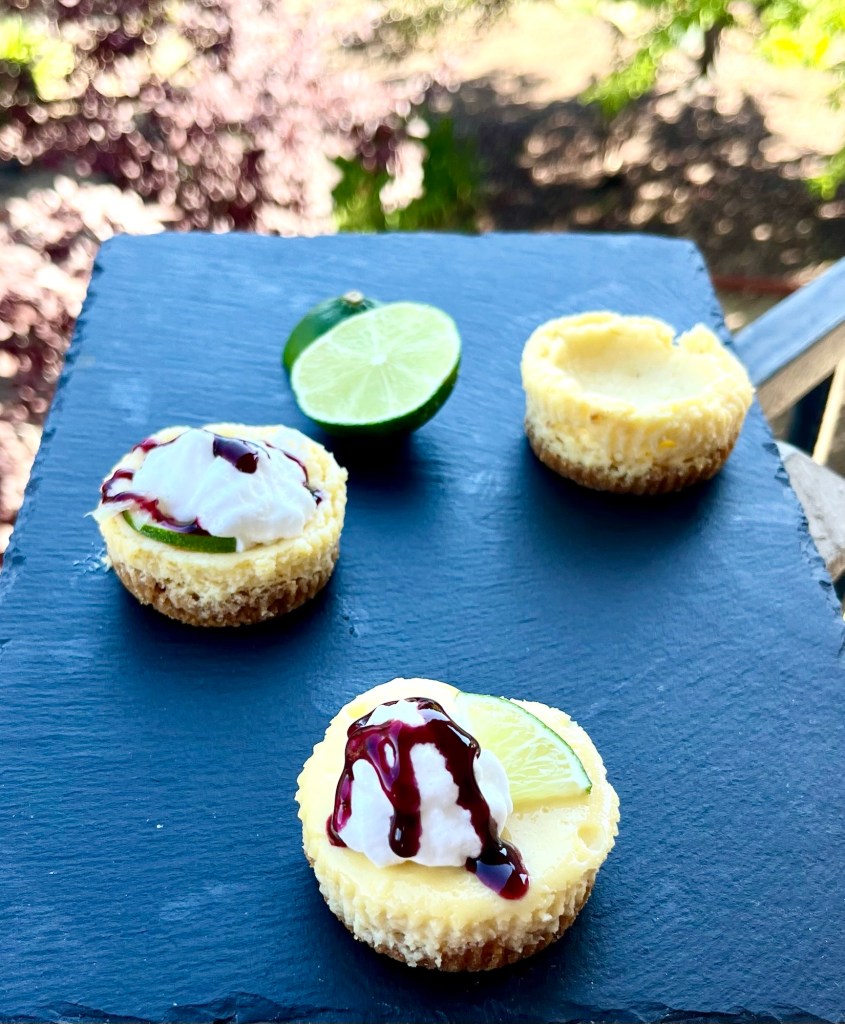
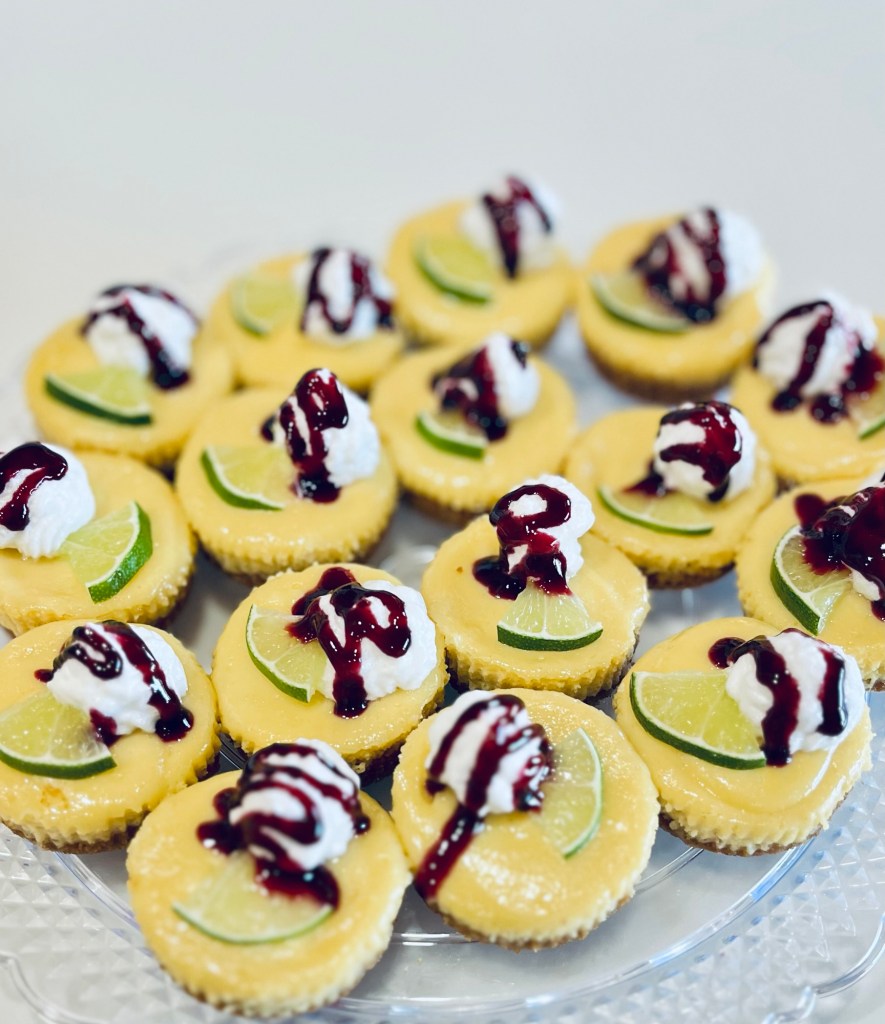
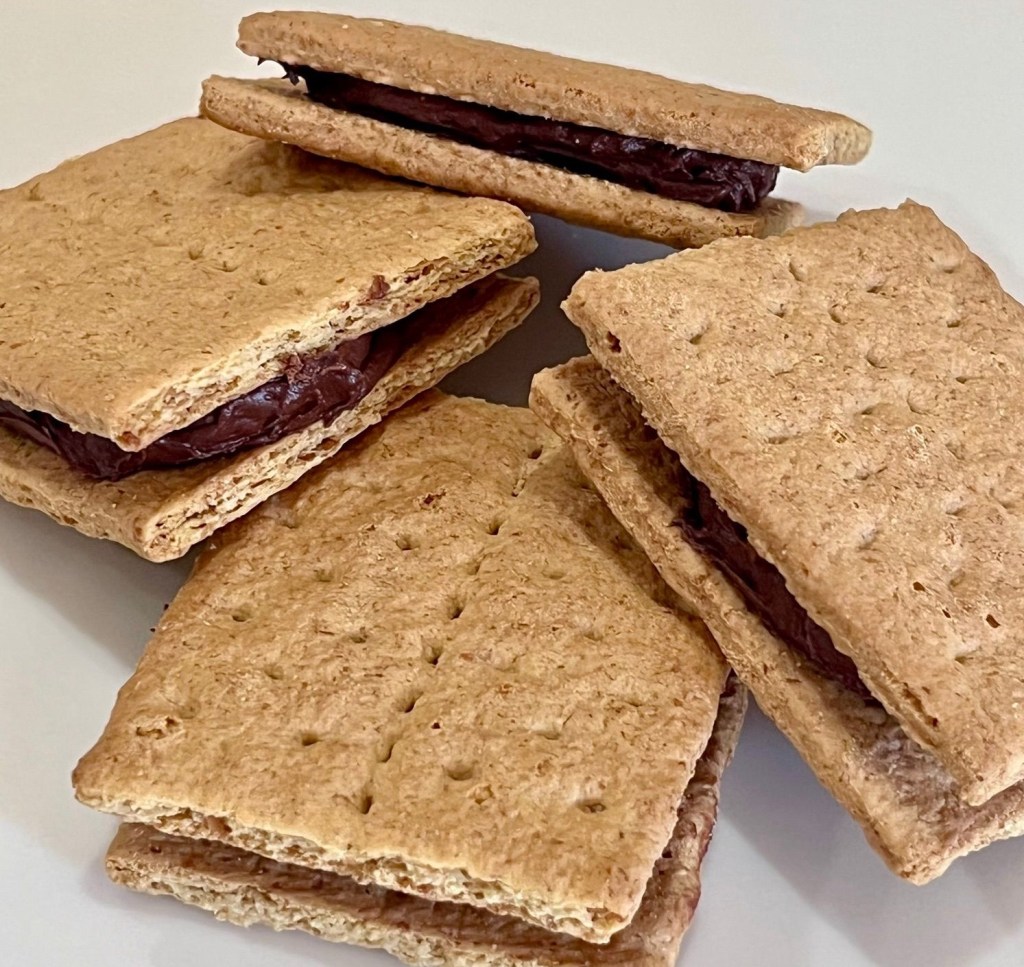
It was a busy weekend. I made Mini Key LIme Pies for a party/luncheon today and with made some Chocolate Frosting filled Graham Cracker Cookies with the leftover graham cracker. Did I mention we also went to a wine tasting south of Sacramento?
The pies took two attempts as the first was a disaster. I over whipped the batter and cooled the pies to quickly causing them to collapse. I made them a second time and swapped the whisk for a paddle attachment after the eggs and cream cheese were well blended. I also left them in the oven when they were at the “jiggle” stage, turned the oven off and opened the door. This allowed them to cool slower. Once I could move the pan with bare hands I let them cool on the counter until they were room temperature, then moved them to the fridge.
The Graham cracker cookies can use and chocolate frosting you like.
The left picture shows the finished mini pie in the foreground and a disaster one in the back and a “recovered” bad one in the center
Mini Key Lime Pies – Sally
INGREDIENTS Crust • 180 g (1 ½ c) graham cracker crumbs (about 12 full sheet graham crackers) • 85g (6 Tbl) unsalted butter, melted • 50 g ( ¼ c) granulated sugar Filling • 4 ounces (113g) full-fat brick cream cheese, softened to room temperature • 4 large egg yolks • 396 g (one 14-ounce can) full-fat sweetened condensed milk • 120 ml ( ½ c) key lime juice* optional: lime slices and whipped cream for garnish
METHOD
Preheat the oven to 350°F (177°C). Line a 12-count muffin pan with liners and a second 12-count muffin pan with only 4 (since this recipe makes only around 16). Set pans aside.
Use a food processor or blender to grind graham crackers. Mix the graham cracker crumbs, melted butter, and granulated sugar together with a silicone spatula in a medium bowl until combined. The mixture will be thick, coarse, and sandy. Press a heaping Tablespoon of mixture down into each liner, making sure the crust is tight and compact. You might have a little crust leftover. If so, press a little more into each liner—if desired! Pre-bake the crusts for 5 minutes. Remove from the oven.
In a large bowl using a handheld or stand mixer fitted with a whisk attachment, beat the cream cheese on high speed until smooth, about 1 minute. On medium-high speed, beat in the egg yolks, scraping down the sides as needed. On high speed, beat in the sweetened condensed milk and lime juice until combined. DO NOT OVER MIX.
Pour the filling evenly into each crust. Bake for 15–16 minutes or until the centers of the pies only slightly jiggle. Turn off the oven and open the door. Allow the pies to cool until the pans can be moved with bare hands, then let them cool to room temperature. Once completely cool, place the pan in the refrigerator for at least 2 hours and up to 1 day.
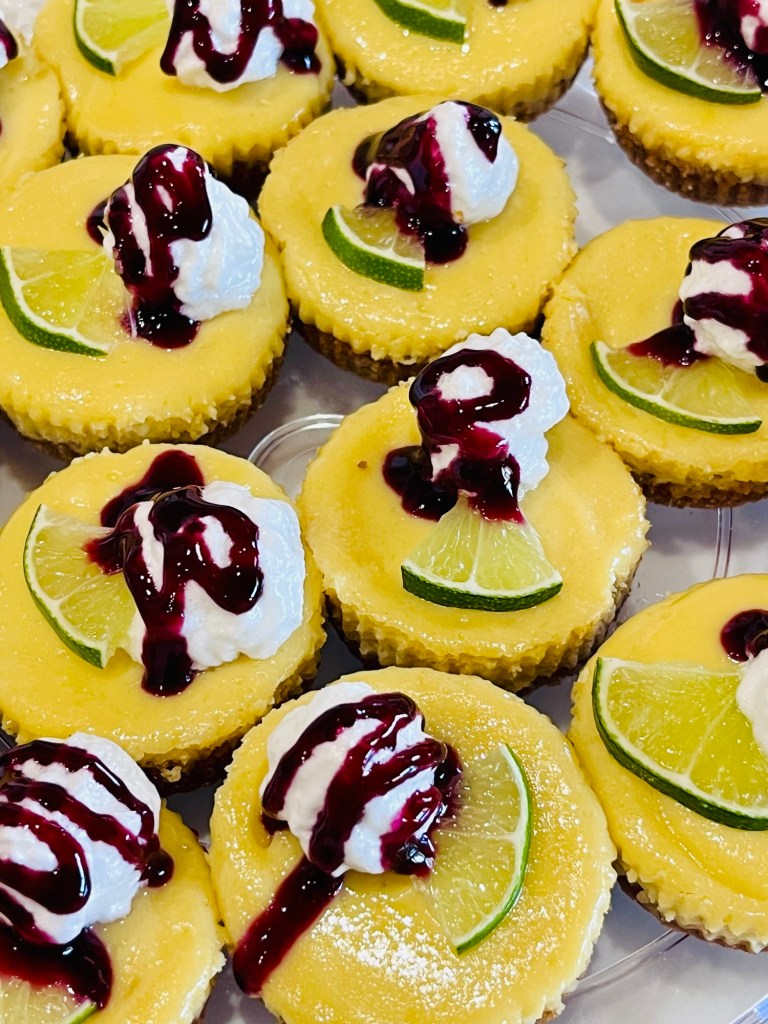
Once chilled, serve the key lime pies cold with whipped cream or Italian meringue and a lime slice if desired. I also drizzled some blueberry sauce over the pie.
Store leftover pies in the refrigerator (covered) for up to 1 week. If they last that long!
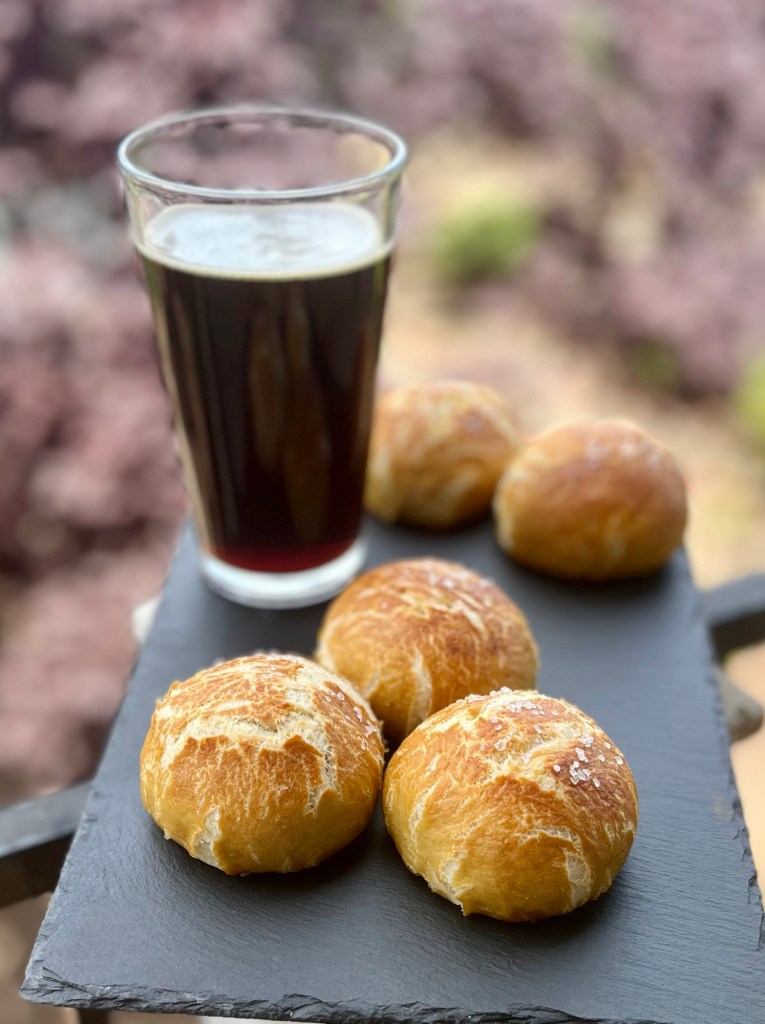
Sally’s June 2026 Baking Challenges was Fluffy Cornbread Biscuits with the alternate being Pretzel Rolls. Sorry, but she had me a “PRETZEL!” I am a sucker for pretzels and these rolls are exceptional. (The biscuits will wait until late this week.)
I made a two changes to the recipe. When making pretzels I use baked baking soda. This converts the sodium bicarbonate into sodium carbonate, a stronger alkaline (higher pH) compound.
I also added malt powder (the same kind I used to use when brewing beer) to increase flavor, color and larger air bubbles in the pretzels.
I made the Pretzel Rolls at 10 AM but felt uneasy opening a beer that early. I waited until after lunch to take the picture. I did not wait to eat my first roll.
Easy Pretzel Rolls – Sally
INGREDIENTS • 360ml (1 ½ c) lukewarm water • 7g (2 ¼ tsp) active dry yeast • 56g ( ¼ c; 4 Tbl) unsalted butter, divided • 1 teaspoon salt • 1 Tablespoon brown sugar • 4690599g (3 ¾ to 4 ) all-purpose flour • coarse sea salt for sprinkling
Baking Soda Bath • 4 Tbl baked baking soda • 1 Tbl light malt powder • 9 cups water
METHOD
Whisk yeast and warm water together. Allow to sit for 1 minute. Meanwhile, melt 1 Tablespoon of butter (reserve the rest for step 7). Whisk in salt, brown sugar, and melted butter. Slowly add 3 cups of flour, 1 cup at a time. Mix with a wooden spoon or dough hook attached to a stand mixer until dough is thick. Add 3/4 cup more flour until the dough is no longer sticky. If it is still sticky, add 1/4–1/2 cup more, as needed. Poke the dough with your finger—if it bounces back, it is ready to knead.
Knead the dough: Keep the dough in the mixer and beat for an additional 5 full minutes, or knead by hand on a lightly floured surface for 5 full minutes. If the dough becomes too sticky during the kneading process, sprinkle 1 teaspoon of flour at a time on the dough or on the work surface/in the bowl to make a soft, slightly tacky dough. Do not add more flour than you need because you do not want a dry dough. After kneading, the dough should still feel a little soft. Poke it with your finger—if it slowly bounces back, your dough is ready to rise.
Rise: Place in a large greased bowl, cover tightly with plastic wrap, and allow to rise in a proofing oven for 1 hour or until nearly doubled in size.
Once risen, punch down dough to release any air bubbles. Turn out onto a lightly floured surface and, with a sharp knife or pizza cutter, cut dough into (900g ÷12) = 75g sections. You should have about 12 pieces. Shape into balls.
Preheat oven to 400°F (204°C). Line a baking sheet with parchment paper or silicone baking mat OR line a 9×13 baking pan with parchment paper. Set aside.
Bring baking soda and 9 cups of water to a boil in a large pot. Drop 1–2 pretzel rolls into the boiling water for 20–30 seconds. Any longer than that and your pretzels will have a metallic taste. Using a slotted spatula, lift the pretzel roll out of the water and allow excess water to drip off. Place pretzel rolls onto prepared baking sheet or close together in the baking pan.
Melt the remaining butter. Lightly brush each roll with melted butter and sprinkle with coarse sea salt. Using a sharp knife, score a couple slits into the top of each.
Bake for 22–26 minutes or until deep golden brown on all sides.
Remove from the oven and serve warm. Pretzel rolls may be stored in an airtight container or zip-top bag for up to 3 days (they lose a little softness over time).
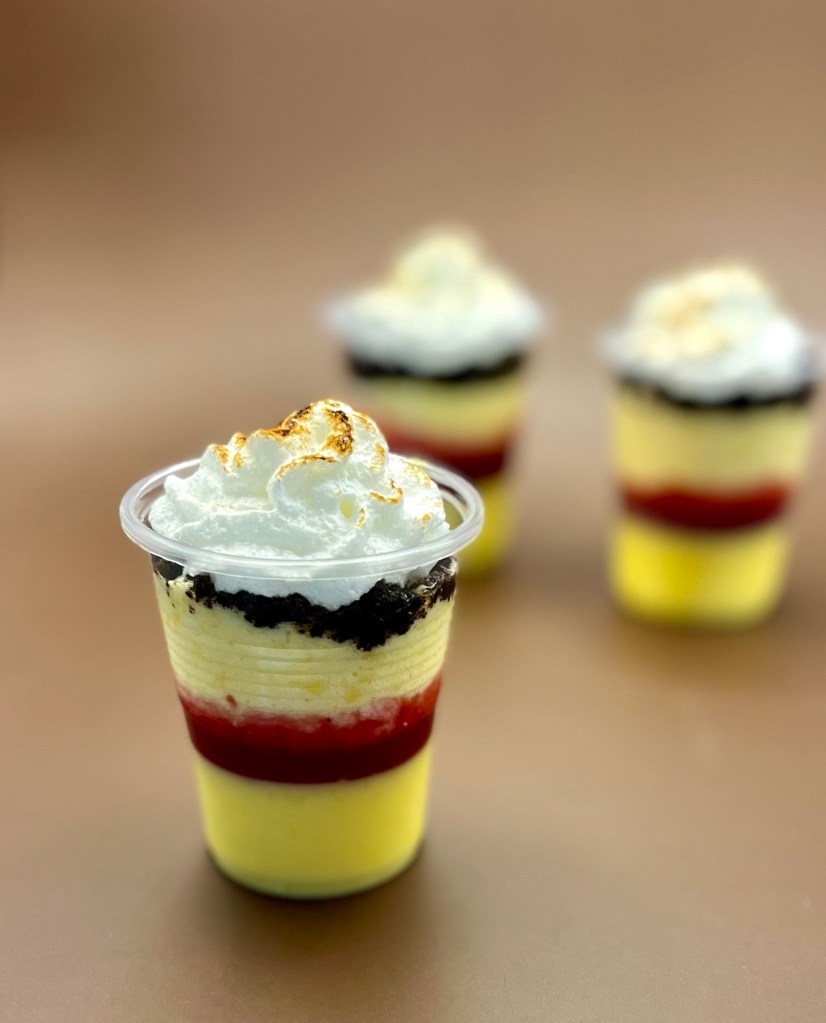
The idea for this parfait jumped into my head a couple of weeks ago. I knew I wanted the bottom to be creme patisserie, topped with fresh raspberry sauce. I was unsure of the upper layer until last week. It is creme chiboust, to add a lighter component. I considered adding a chocolate component and QC suggested crumbled graham crackers, which I did but made chocolate graham crackers to add a crunch. It is topped off with brûléed Italian meringue.
Make the chocolate graham crackers early to they have time to cool and crisp up, Make the creme patisserie early also so it has time to cool to room temperature. (To make 10 five ounce cups, as pictured, requires two recipes of creme patisserie.)
Chill the cup between adding each layer.
The raspberry sauce can be made a week in advance. Make sure it is thick enough not to run up the sides of the container when the creme chiboust is added. The viscosity of a thin jam is perfect.
Raspberry Parfait with Crème Chiboust
INGREDIENTS: Raspberry Dessert Sauce (Can make 1 week in advance) • 1 Tbl water • 2 tsp cornstarch • 375g (¾ c) fresh or frozen raspberries • 50g ( ¼ c) granulated sugar • 1 tsp fresh lemon juice (do not leave out) • optional: ½ tsp vanilla extract Chocolate Graham Crackers – KAB (Can make 1 week in advance) • 60g ( ½ c) All-Purpose Flour • 85g ((¾ ca) Whole Wheat Flour • ½ tsp table salt • ½ cup (42g) Dutch-process cocoa • 1 ¼ cups (142g) confectioners’ sugar • 1 tsp baking powder • 113g (8 Tbl ) unsalted butter, cold, cut into pats • 43g (2 Tbl) honey • 28g (2 Tbl) milk, cold Creme Patisserie: • 240 mL full-fat milk 1 c • 4 egg yolks from large eggs (save the egg whites from these eggs for the meringue) • 30 g butter 2 Tbl • ¼ tsp sea salt • 25 g sugar ~ 2 generous Tbl • 30 g cornstarch – 4 Tbl • 1.5 tsp vanilla extract Italian meringue: • 4 egg whites at room temperature • 150 g white sugar – ¾ cup • 80 g water – ⅓ cup
METHOD Chocolate Graham Crackers
Preheat your oven to 325°F with racks in the upper and lower thirds. Have two baking sheets and parchment paper to line them at the ready.
In a medium-sized bowl, whisk together the flours, salt, cocoa, sugar, and baking powder. With a pastry blender, two knives, or your fingertips, cut the butter into the flour mixture until evenly crumbly.
In a separate bowl, whisk the honey and milk, stirring until the honey dissolves. Add the liquid to the dry ingredients and toss lightly with a fork until the dough comes together. Add additional milk, if necessary.
Turn the dough out onto a well-floured surface and fold it over gently 10 to 12 times, until smooth.
Divide the dough in half, about 250 grams each. Work with half the dough at a time, keeping the remaining dough covered.
Working with one piece at a time, transfer the dough to a sheet of parchment and shape into a flattened square. Place another piece of parchment over top and roll the dough to about 1/16″ thick; aim to roll it into a rectangle a bit larger than 10″ x 14″. Prick the dough evenly with a dough docker or fork.
Use the parchment to transfer the sheet of dough to a baking sheet, then gently peel off the top sheet. Repeat with the remaining piece of dough.
Bake the crackers for 15 to 20 minutes, rotating the baking sheets top to bottom and front to back halfway through, or until you begin to smell chocolate. Remove them from the oven, and immediately cut them into rectangles with a pizza wheel or knife. Transfer them to a rack to cool.
Store the cooled crackers tightly wrapped for up to a week, or freeze for up to one month.
Raspberry Dessert Sauce
Whisk the cornstarch and water together until all the cornstarch has dissolved. Combine cornstarch mixture, raspberries, granulated sugar, and lemon juice in a small saucepan over medium heat. Using a silicone spatula, stir the mixture while lightly mashing the raspberries as they begin to heat.
Bring to a boil and let it boil for 3 full minutes, stirring occasionally. Remove the pan from heat and—if desired for a richer flavor—stir in vanilla extract, and if desired, a few fresh raspberries.
OPTIONAL (SKIP for a thicker sauce) Press the warm sauce through a fine mesh strainer to remove the seeds, if desired. I use the back of a spoon to press the liquid through the strainer, held over a bowl. It takes a couple minutes to really squeeze it all out.
Feel free to serve warm over warm desserts, but it should be cooled to really thicken up. Cool the sauce completely at room temperature or in the refrigerator. The sauce will thicken slightly as it cools, but the strained version is still liquid and perfect for drizzling.
Creme Patisserie
Whisk eggs and milk together and add to all other ingredients (except vanilla) to a medium saucepan.
Bring to boil whisking constantly
Cook until thickened (it will look lumpy, its ok)
Sieve lumpy mixture into a bowl and add vanilla, mix thoroughly
When incorporated, cover with plastic directly on the crème patisserie and cool about an hour. Alternatively, slide the piping tip you would use to fill the pâte à choux into the piping bag but don’t cut off the tip. Spoon the hot batter directly into the piping bag and seal the end. When the crème patisserie is cool, cut the tip off, force the bag around the piping tip and squeeze the crème pat to fill the end.
Italian meringue
In a medium-sized saucepan, combine the sugar and water. Heat over low heat, stirring until the sugar has dissolved. Once the sugar has dissolved, turn the heat to medium-high and allow the syrup to come to a boil without stirring.
In the meantime, add the egg whites to a medium-sized, heatproof bowl and mix (with a mixer fitted with the whisk attachment) until foamy and the whites are almost able to hold soft peaks.
Once the syrup is boiling, clip on a candy (or sugar) thermometer.
Cook until the syrup reaches 116°C/240°F, then take the pan off the heat and slowly drizzle the hot syrup into the bowl with the foamy egg whites, mixing continuously to prevent the eggs from scrambling. Don’t pour the syrup onto the whisk, or the syrup may splatter against the sides of the bowl (or into your face!). Instead, aim for a spot close to the whisk.
Once all the syrup has been added, keep mixing until the bottom of the bowl feels cool to the touch and the meringue has cooled down to body temperature.
Use immediately or keep in the fridge (covered) until ready to use. It’s a very stable meringue, so it won’t start weeping, leaking or collapsing.
Creme Chiboust
Add about ⅓ of the meringue mix into the room temperature custard, and mix to loosen up the custard base.
Add the rest of the meringue and fold it in until there are no more white streaks in the custard. Be gentle when you fold in the meringue because if you mix it too vigorously, you will lose the air and it may deflate too much.
It’s very important to use the creme chiboust while it’s at room temperature, since it will set in the fridge. If you do want to keep the creme chiboust in the fridge, you will need to whisk it again before using. However, keep in mind that this will deflate the mixture AND not set as well again.
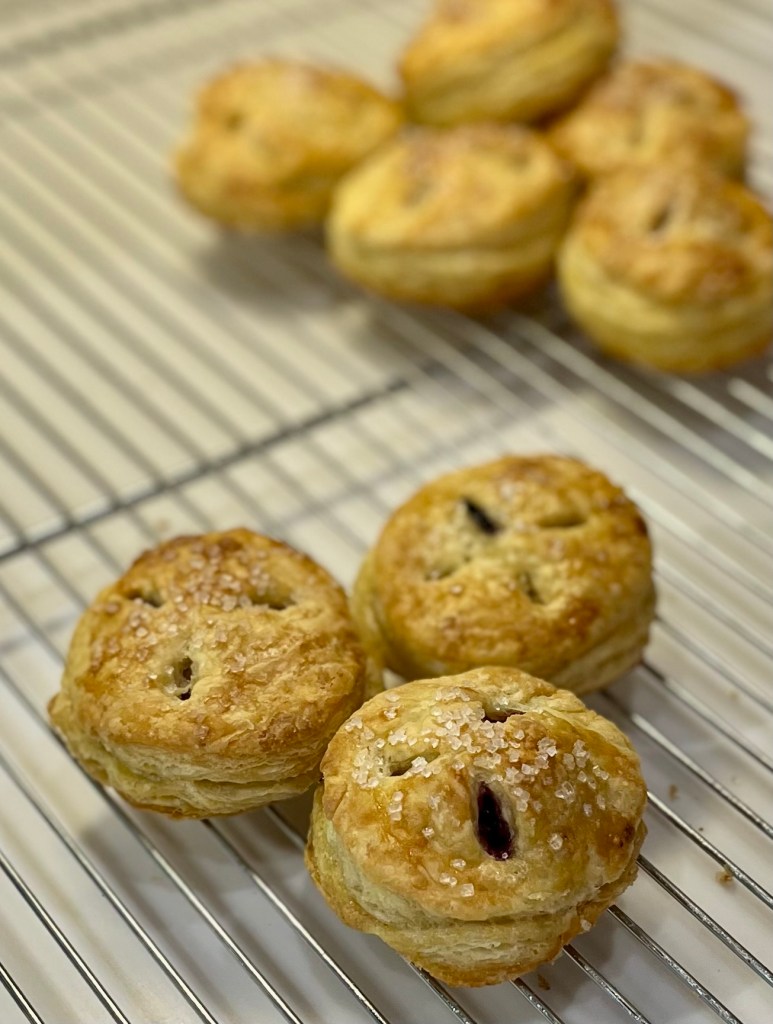
I saw an online picture of Pepperidge Farms Puff Pastry Raspberry Hand Pies and needed an excuse to try to make covered pastry without the fork-crimp marks. (As if I ever need an excuse.)
A couple of weeks again I made some Vol au Vents and did not fork-crimp the edges to make the “boat” that would hold the fillings.
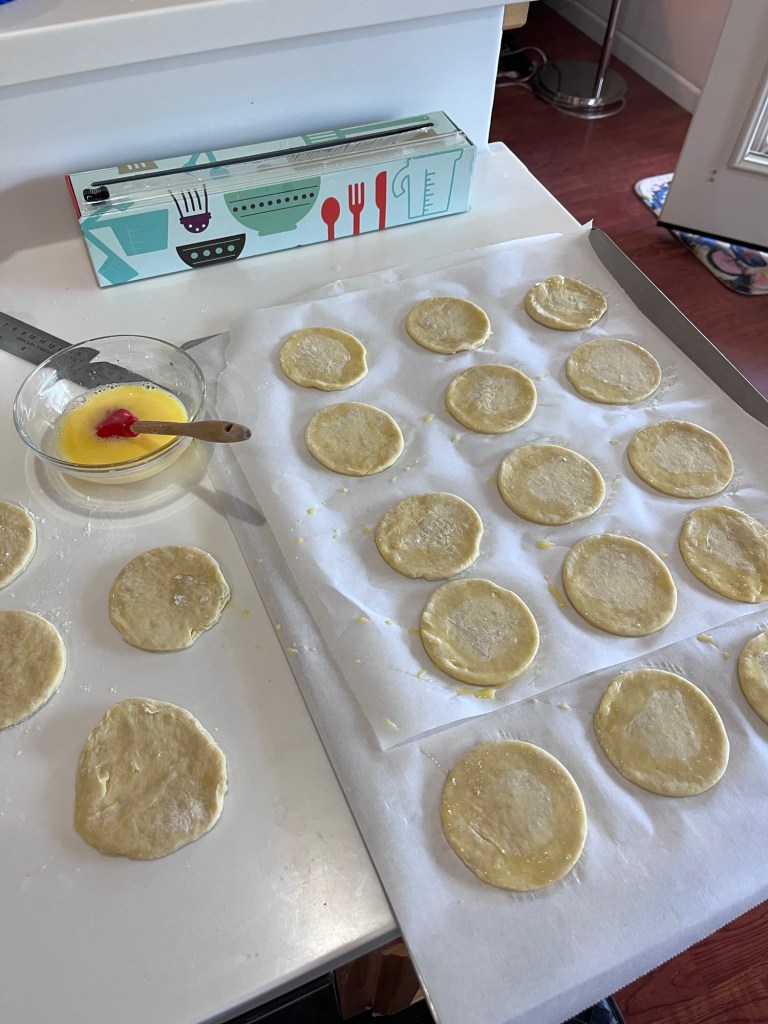
I applied the same method on these pastries. Egg wash the edges of the bottom piece, add the filling and place cover on top and press all around the edges. Because the bottom will be larger due to the cover needing to bend over the filling, Tuck any excess puff pastry back into the seam and press it down again.
The recipe specified excessive filling. Next time I will cut the cream cheese etc in half and there may still be too much. (The recipe below was modified.) The alternative, of course, is to make twice as many hand pies.
I also used two batches of Sally’s Rough Puff Pastry rather than the original baker’s source, sorry Pep.
RED RASPBERRY WHITE CHOCOLATE HAND PIES
INGREDIENTS • 1 egg • 1 Tbl water • 2 Tbl all-purpose flour • 1 package puff pastry • 56 g ( 1/4 of an 8-ounce package) cream cheese, softened • 1 Tbl granulated sugar or decorating sugar • 42g ( 1/4 c) white chocolate chips • ~170 g (6 oz) raspberries • ~3 Tbl coarse white sugar or decorating sugar
METHOD
Heat the oven to 400°F. Beat the egg and water in a small bowl with a fork.
Sprinkle the flour on the work surface. Unfold 1 pastry sheet on the work surface. Roll the pastry sheet into a 12-inch square. Using a round cutter, cut into 16 (3-inch) circles. I gather the scraps, squeeze them into a ball and re-roll. I know it will lose some rise, but not enough to care. I ended up with 19 circles. Enough to make 9 pastries and fold the odd one in half, fill with desired berry mixture and seat. It’s a great way to test the final bake.
Stir the cream cheese and granulated sugar in a medium bowl until the mixture is smooth. Stir in the white chocolate chips.
Brush the edges of 12 pastry circles with the egg mixture. Place about 1 tablespoon cream cheese mixture in the center of each. Top each with about 3 raspberries or the equivalent amount of black or blue berries. Place the remaining pastry circles over the filling. Press the edges firmly to seal. Crimp the edges with a fork. Brush the pastries with the egg mixture and sprinkle with the coarse sugar. Using a sharp knife, cut small slits in the tops of the filled pastries. Place the pastries onto 2 baking sheets.
Bake for 20 minutes or until the pastries are golden brown. Remove the pastries from the baking sheets and let cool on wire racks for 10 minutes.
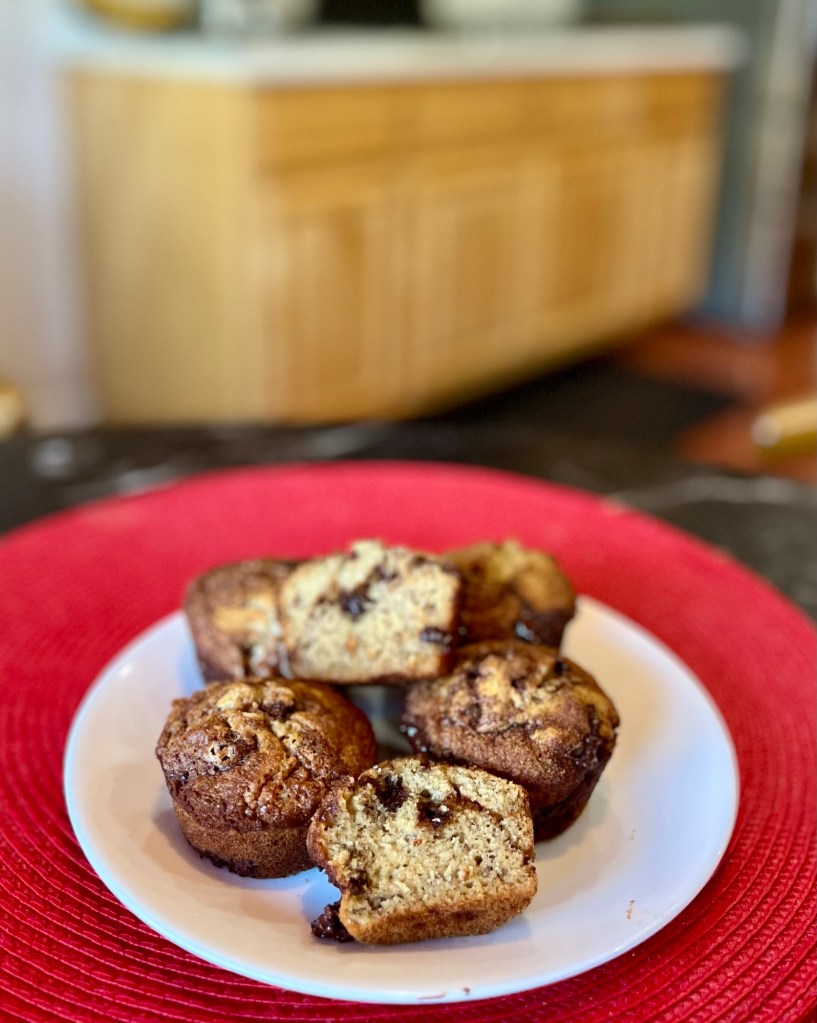
The primary recipes for this months Sally’s Baking Challenge is Frosted Strawberry Cookies andthe alternate is Banana Chocolate Chip Muffins with Cinnamon Streusel. She had me a “chocolate.”
These muffins may be a bit chocolate forward, i.e., the chocolate overpowers the banana, Next time I will cut the amount of chocolate back by a third or so. Nonetheless, these muffins are delicious, moist and definitely a keeper.
Banana Chocolate Chip Muffins with Cinnamon Streusel
Yield: 12 muffins
INGREDIENTS Streusel • 2 ½ tsp ground cinnamon • 50g ( ¼ c) packed light or dark brown sugar • 135g ( ¾ c) semi-sweet chocolate chips Muffins • 208g (1 and ⅔ c) all-purpose flour • ½ tsp ground cinnamon • ¾ tsp baking soda • ¾ tsp baking powder • ¼ tsp salt • 85g (6 Tbl) RT unsalted butter • 100g ( ½ c) granulated sugar • 1 large egg, at room temperature • 345g (1½ c) mashed bananas (about 4 medium or 3 large bananas) • 60g ( ¼ c) plain yogurt or sour cream
METHOD
Preheat oven to 425°F. Spray a 12-count muffin pan with nonstick spray or line with cupcake liners. Set aside.
Mix all the streusel ingredients together in a small bowl. Set aside.
Whisk the flour, cinnamon, baking soda, baking powder, and salt together in a medium bowl. Set aside.
Using a handheld or stand mixer fitted with a paddle attachment, beat the butter and sugar together on medium-high speed in a large bowl until creamed, about 3 minutes. Scrape down the sides and bottom of the bowl as needed. Add the egg and beat until combined, about 1 minute. Scrape down the sides and bottom of the bowl as needed. Add the mashed bananas and yogurt, and then beat on high speed until combined; mixture will look curdled and that’s ok.
Add the dry ingredients and beat on low speed until combined. Batter is thick. Do not overmix.
Layer a large spoonful (about 1½ Tablespoons, 20ml scoop) of batter into each muffin cup. Sprinkle with 1 scant Tablespoon of streusel. Layer another large spoonful of batter over each, using up the remaining batter, then finish by sprinkling remaining streusel on top of each muffin. The 12 muffin cups should be filled all the way to the very top. With a toothpick or knife, gently swirl the streusel topping with the batter.
Bake for 5 minutes at 425°F, then, keeping the muffins in the oven, reduce the oven temperature to 350°F. Bake for an additional 15–16 minutes or until a toothpick inserted in the center comes out clean. The total time these muffins take in the oven is about 20–21 minutes. Allow the muffins to cool for 5 minutes in the muffin pan, and then transfer to a wire rack to continue cooling, or enjoy warm.
Muffins stay fresh covered at room temperature for a few days, then transfer to the refrigerator for up to 1 week.
Notes
Make Ahead & Freezing Instructions: For longer storage, freeze the muffins for up to 3 months. Thaw overnight in the refrigerator, then warm up in the microwave if desired.
Frozen Bananas: You can use thawed frozen bananas in this muffin recipe. Thawed bananas are extra wet, so drain off as much of the excess liquid as you can before mashing.
Yogurt or Sour Cream: You can use either regular or Greek plain yogurt in this recipe (any fat content) or sour cream. In a pinch, 1/4 cup (60ml) buttermilk may be substituted.
Why the initial high oven temperature? Like I do for most muffin recipes, bake the muffins for 5 minutes at a very hot temperature. Then, keeping the muffins in the oven, switch to a lower temperature for the remaining bake time. This initial high temperature will quickly lift the muffin tops so they’re extra high, then the centers will bake during the lower temperature bake time.
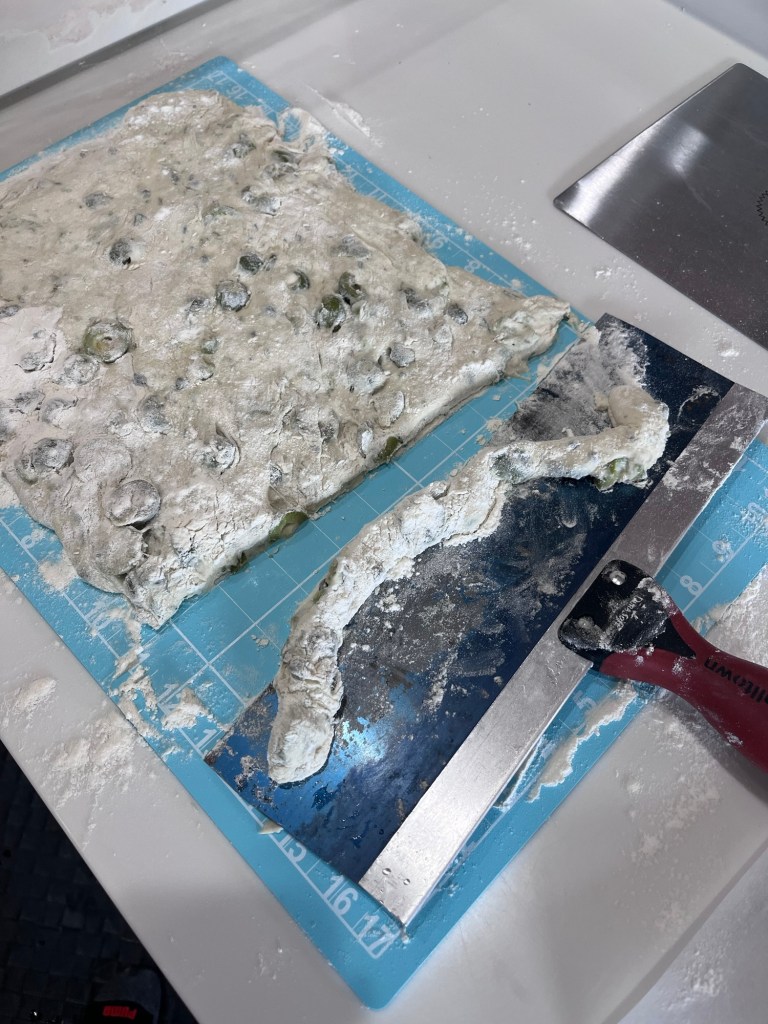
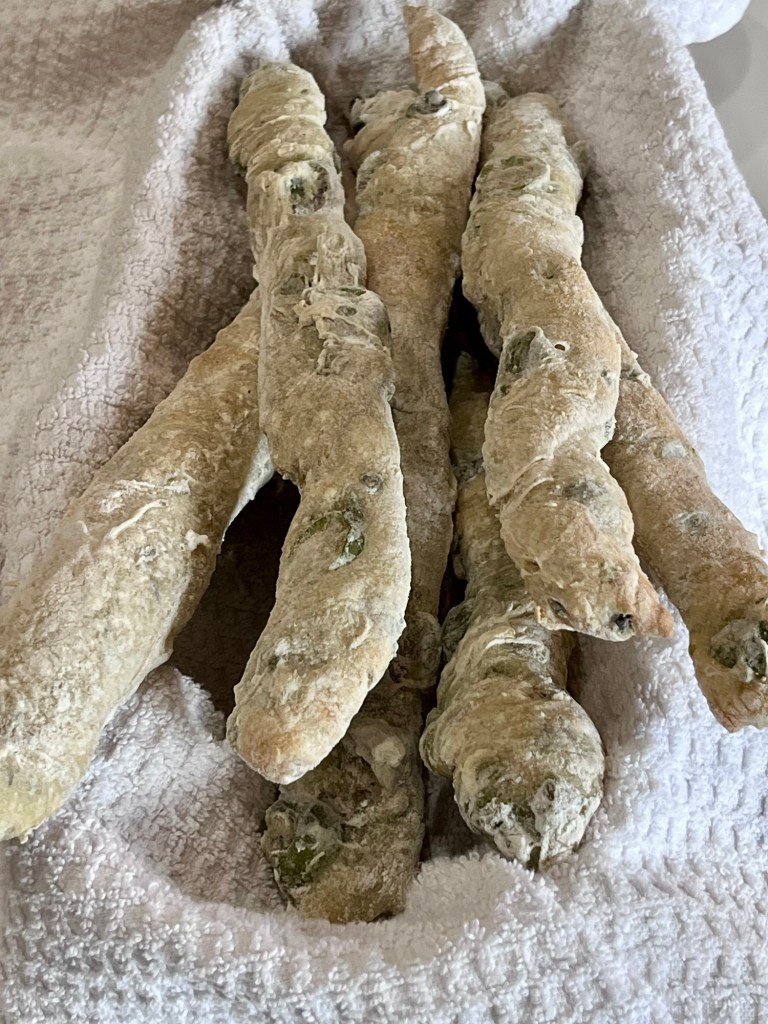
I don’t know what prompted my desire for olive bread sticks, but here we are again. These bread sticks are SO good. They are a bit of a pain (the forming and cutting and placing on the cookie sheet) to make, but worth it.
Learning from my previous bake I cut the whole, pitted olives in half as the previous ones were just too big.
The pain partThe payoff part
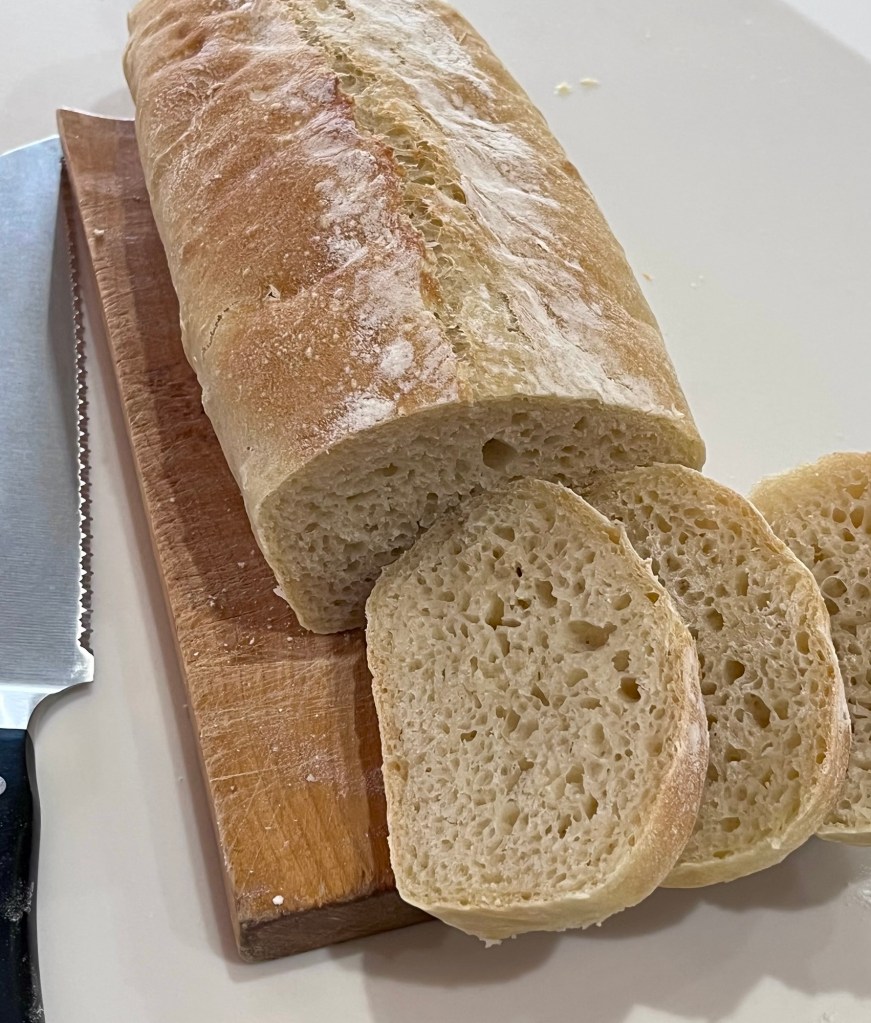
AND… as long as the oven was on, I used a long, thin Dutch oven to make a nice sized artisan loaf for sandwiches, (and to eat slathered with butter.)
Olive Bread Sticks
(Paul Hollywood Method and Recipe)
INGREDIENTS
500g bread flour, plus extra for dusting
10g salt
10g instant yeast
400ml tepid water
2 tbsp olive oil, plus extra for oiling
500 g/1 lb jar pitted green olives in brine, drained fine semolina, for dusting (optional)
6g (4 Tbl) finely chopped rosemary (optional)
3g (2 Tbl) capers (optional)
METHOD
Oil proofing bucket
Put the flour into the bowl of a mixer fitted with a dough hook. Add the salt to one side of the bowl and the yeast to the other. Add three-quarters of the water and begin mixing on a slow speed. As the dough starts to come together, gradually add the remaining water.
Mix for a further 5-8 minutes on a medium speed. The dough should now be wet and stretch easily when pulled. Add the olive oil and mix for a further two minutes. Add the olives, (rosemary and capers, optional) mix until well-distributed.
Put the dough into the oiled containers and leave until it has at least tripled in size – for approximately an hour.
Line two baking trays with parchment or silicone paper and preheat the oven to 425F Convection. My oven automatically drops the temp to 400F when using Convection.
Dust the work surface heavily with flour – add some semolina too, if you have some. Carefully tip the dough onto the surface. It will be very loose and flowing – but don’t worry. Rather than knocking it back, handle it gently so that you keep as much air in the dough as possible.
Heavily dust the top of the dough with flour and then stretch it out gently to a rough rectangle. Starting at one long edge, cut the dough into approximately 18 strips. Stretch each piece out until 8-10in long. Place the strips onto the prepared baking trays, spacing them apart to allow for oven rise.
Bake the dough sticks for 10-15 minutes until the tops are a golden brown.
Cool on wire rack. I use a brush to remove some of the excess flour.
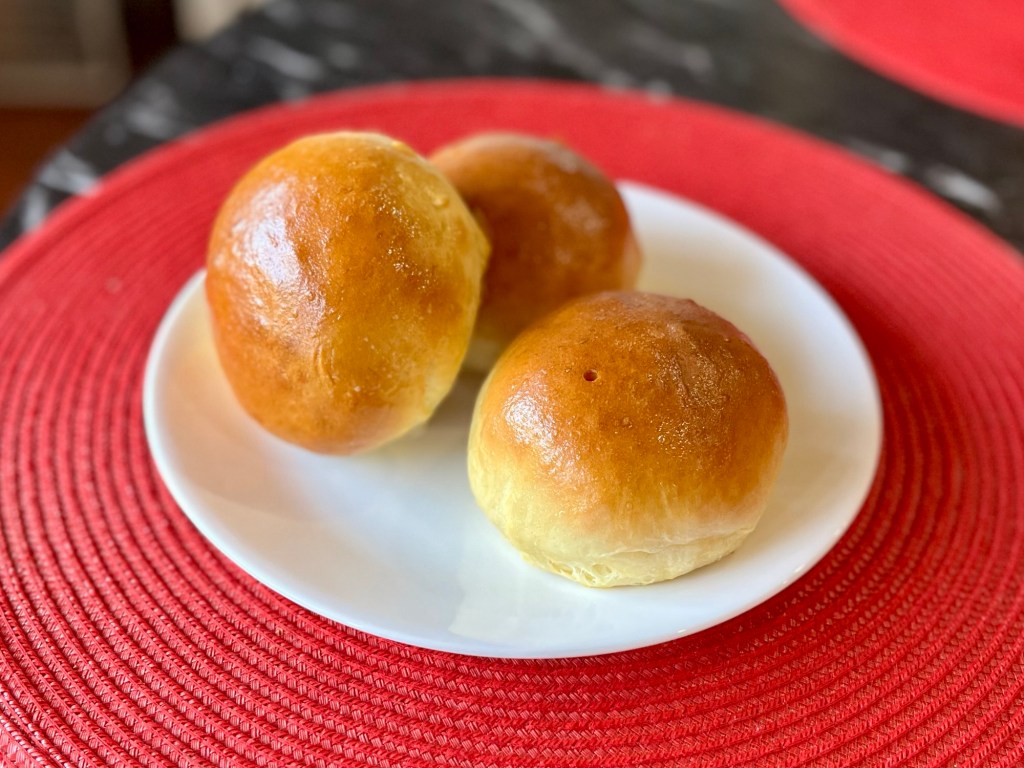
I watched a woman on a FB reel make “30 Minute Rolls.” (Sorry, I don’t remember her name). I required two or three viewings of the reel before I was confident that I accurately transcribed the ingredients and method. (I did.) As is my preference, I converted the volume measurements to weights,.
Today, we wanted chicken salad sandwiches for lunch but the artisan bread I made a few days ago is now perfect for french toast or grilled cheese sandwiches but not un-toasted sandwiches. Anyway, any excuse to bake bread is a good excuse.
As per the FB reel instructions I made 90g rolls which yielded eight 4” diameter rolls. For hamburger rolls I would probably try six 123g rolls.
Unfortunately, I didn’t note the exact time I started baking, but I estimate the rolls were out of the oven and cooling in about 45 minutes.
Besides requiring only 30-ish minutes… they are soft, fresh and fantastic!!
30 Minute Rolls
INGREDIENTS • 236g (1 c) warm water • 6g (2 Tbl) yeast • 12g (1 Tbl) sugar • 1 egg • 50g (1/4 c) vegetable oil • 6g (1 tsp) salt • 360g (3 c) AP flour • 1 egg for egg wash • 2 Tbl butter for brushing
METHOD
Mix yeast, water and sugar in a stand mixer with paddle attachment for 3 minutes until it’s mixed and the yeast is activated and foamy.
Add egg, oil and flour and mix using dough hook until it comes together
Dump dough onto counter and knead until it it a bit smoother
Cut into desired portions, suggesting 8 (92g) for ~4” rolls and 6 (123g) rolls for a larger (~5”) hamburger rolls.
The dough was very sticky so I floured the bench top and patted each piece of dough in it before the next step.
Stretch and fold each portion into a ball, pinch the seam together and roll on the counter
Cover with a warm tea towel.
Preheat oven to 400⁰ F as the dough is resting
Move rolls to a parchment paper covered baking sheet and brush with egg wash
Bake 12-14 minutes, until the tops are nicely browned. Internal temperature should be 195⁰ F
Remove from oven and brush with butter while still hot.